

Getting high-quality backlinks isn’t just about chasing numbers—it’s about building real authority and trust for your website.
I’ve seen plenty of people struggle with link acquisition, especially when Google’s standards keep shifting and shortcuts backfire. If you’ve ever wondered why some sites soar in rankings while others stall, you’re not alone.
In this article, I’ll break down what link acquisition really means, how it differs from old-school link building, and why quality matters more than ever. You’ll get practical benchmarks for spotting valuable backlinks, step-by-step workflows for finding and validating prospects, and clear advice on monitoring your results.
By the end, you’ll have a proven process for earning links that actually move the needle—plus real-world case studies and troubleshooting tips to keep your SEO efforts on track.
What is Link Acquisition?
What is Link Acquisition?
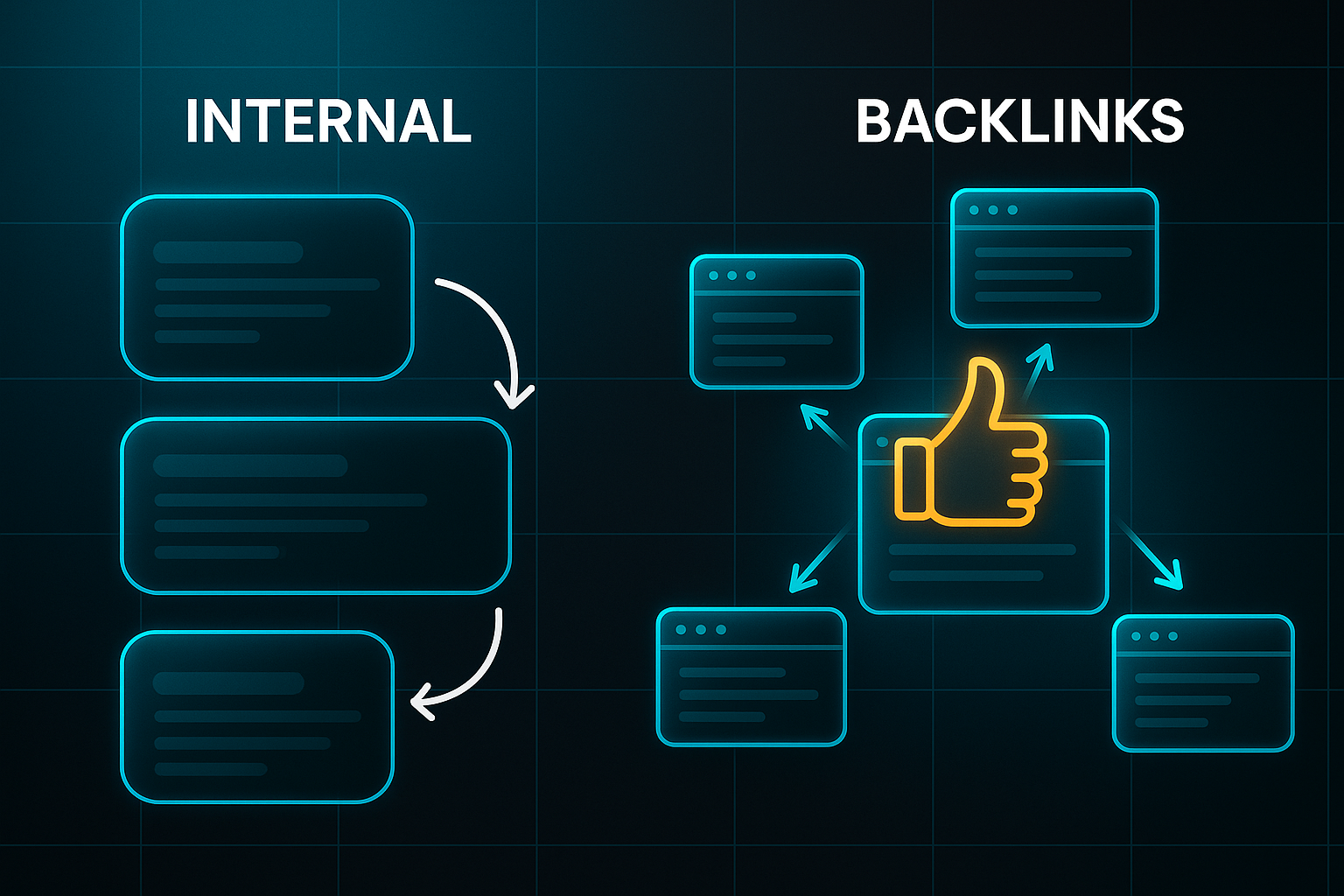
Link acquisition is the process, within SEO, of gaining backlinks—those are hyperlinks coming from other websites and pointing to yours. Where internal links just connect pages on your own site, backlinks come from the outside world, almost like a third-party vote of confidence.
In the world of search, these external links act as a kind of digital endorsement. When someone else links to your page, they’re basically saying: “This content is worth checking out.” Search engines notice this, and it informs their opinion of your site’s authority and relevance. It’s worth clarifying that, in this context, link acquisition refers exclusively to getting links from outside sources, rather than managing internal connections or technical network links.
Why Link Acquisition Matters
Why does Google care so much about who links to you? Search engines rely heavily on your backlink profile when determining who should show up for a given keyword.
They care about the number, quality, and relevance of your links. If credible, closely related sources link to your site, Google sees it as a sign of expertise and reliability—moving you up the search rankings as a result. Sites with robust, diversified backlink profiles aren't just rewarded with more traffic; they’re also better equipped to ride out those regular search algorithm updates. It’s like having a set of glowing reference letters in your professional portfolio—wouldn’t that make you more trustworthy in any environment?
Backlinks remain a top-3 Google ranking factor in 2025. Google has consistently confirmed that links are among their most important ranking signals, though quality and relevance matter far more than quantity.
Conceptual Foundations of Link Acquisition
The underlying principles behind successful link acquisition are easy to grasp when you see how they interact.
- Authority Transfer
A respected website links to you, passing some of its credibility—think of it as digital word-of-mouth or a reference from a trusted colleague. - Trust Signals
If your site is mentioned by well-known, trustworthy sources, search engines see this as proof of value and integrity. - Relevance
A link from a site in your industry or niche carries far more weight than a random or unrelated mention. - Natural Diversity
Strong backlink profiles mix anchor texts and linking domains, making your site’s credibility look authentic and well-earned.
All these factors combine to tell search engines your site deserves attention.
Modern Context for Link Acquisition
The landscape for link acquisition keeps shifting with major algorithm updates. In particular, Google’s March 2024 update emphasises the need for contextual and authentic backlinks—not just chasing high numbers.
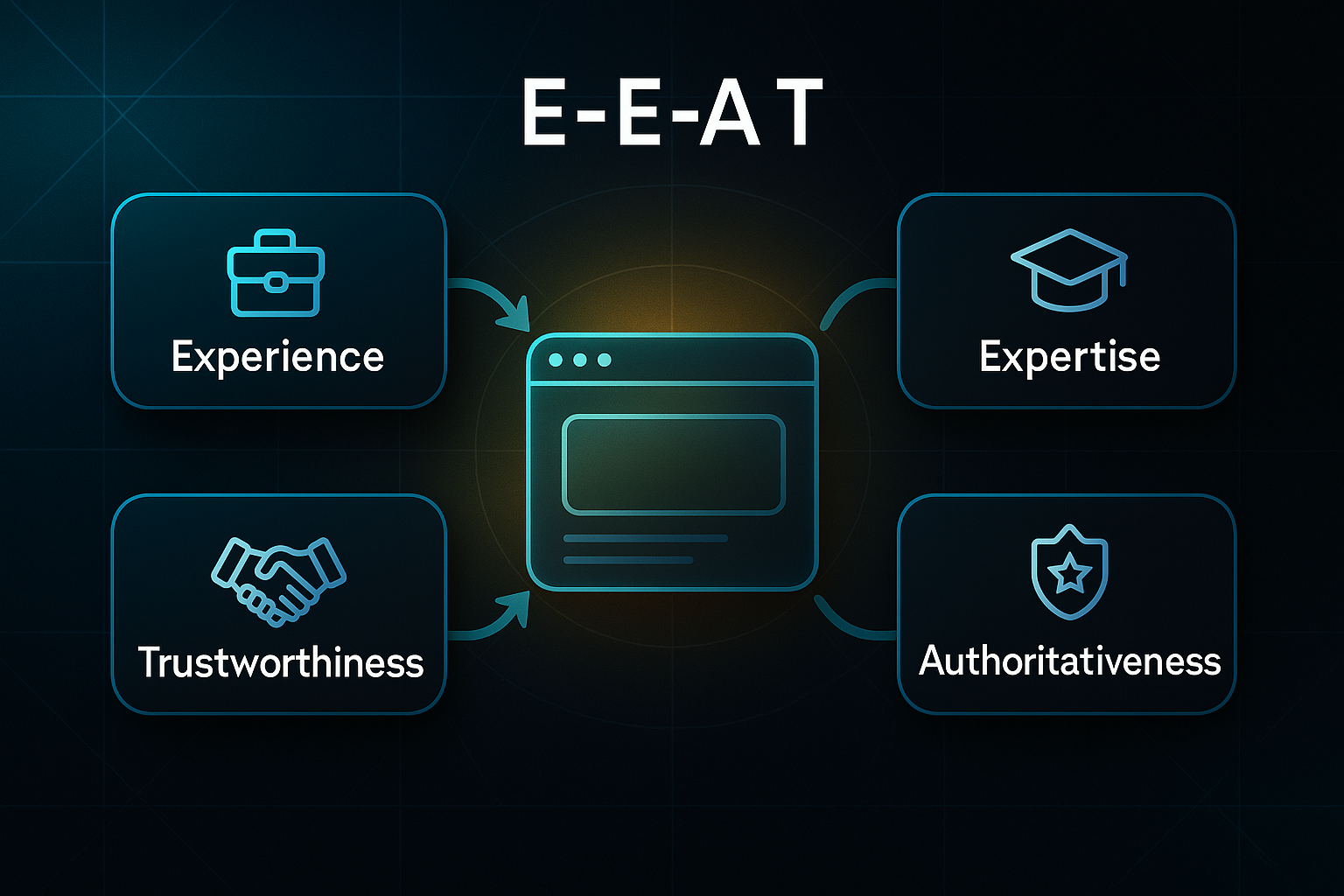
Now, the standard of E-E-A-T—Experience, Expertise, Authoritativeness, Trustworthiness—is more important than ever. Earning links from industry leaders and respected sources fulfills these criteria, building your reputation in both the algorithm’s eyes and human readers’. Especially in sensitive fields like health or finance, quality backlinks are non-negotiable.
How Link Acquisition Differs from Link Building
Here’s where people sometimes get tripped up: link acquisition isn’t about quick wins or shortcuts. Instead, it’s about nurturing long-lasting relationships with reputable, relevant websites to support enduring authority.
Link building can sometimes suggest more tactical, short-term campaigns—pursuing links as a “tick box” exercise. Link acquisition focuses on reputation, ongoing relevance, and the kind of partnerships that keep your site trustworthy, even as search standards evolve.
Common Misconceptions About Link Acquisition
Is more always better when it comes to backlinks? People often think so, but that’s simply not true. Only links from reputable, contextually relevant sites can drive genuine SEO progress.
Trying to take shortcuts—amassing huge numbers of low-quality links—rarely works for long. Sustainable link acquisition is a long-term effort that stays within search engine rules and best practices. Grasping these truths makes all the difference before diving into the world of high-quality backlinks, which is right where we’re headed next.
What Makes a Backlink High-Quality?
So, what really counts as a high-quality backlink in 2025? It’s not just any link that gives your site authority and a rankings boost—it’s those links that clearly meet specific, measurable standards. You’ll want to make every new backlink earn its place by quantifying authority, relevance, search traffic, and keeping a close eye on that anchor text profile.
Authority and Relevance Benchmarks
Start by focusing on sites that have visible authority signals. Choose domains with a Domain Rating (DR) or Domain Authority (DA) of 70 or above—that’s the gold standard for authority. If you see anything below 25, give it a miss as it just doesn’t move the needle.
And don’t ignore traffic. You want backlinks from sites actually getting visitors—aim for at least 1,000 monthly sessions. Tools like Semrush make this easy to check: an Authority Score of 40–50 and up is a solid baseline.
But here’s the thing: topical relevance is crucial. Only go after sites that publish content tied closely to your industry or niche. Keyword overlap tools and relevance scoring (say, a 1–10 rubric) come in handy to measure this. Pop these scores into a campaign tracker (try Google Sheets or BacklinkManager) so you always know where you stand on authority, traffic, and relevance.
And don’t forget routine maintenance. Quarterly backlink profile audits are a must—but if you’re in a fast-paced sector, monthly or biweekly reviews offer even more control.
Anchor Text and Placement Best Practices
Now, Google’s 2025 guidelines are clear: manipulative anchor tactics are a no-go. Balance out your anchor types—mix in branded, generic, exact and partial match phrases, plus naked URLs. Exactly matching anchors? Keep them under 30%. Otherwise, you risk over-optimising.
Placement makes a huge difference too. Ideally, at least 75% of your links go within editorial content—not footers or sidebars, which are just less valuable. Log every anchor and placement detail for every outreach campaign, and run those regular audits to catch any unnatural clusters creeping in.
Toxic Link Detection and Remediation
You’ll also want to develop a watchful eye for toxic links. Run site audits in Semrush or Ahrefs to spot high spam scores, a sharp authority drop (over 10%), or irrelevant referring content—treat these links as potential hazards.
If you spot something suspicious, document it in an exclusion tracker and act fast—try for a manual removal first, or file a Google Search Console disavow if you don’t hear back. Make a note of each action date and check for ranking recovery on your next review.
Practical Timing and Error Handling
Checking each prospect’s authority and relevance takes you about 2–3 minutes, while auditing a batch of 100 links can run to 2–5 hours. If a link falls short on your standards, shift it to an “excluded” tab, make a record of your actions, and catch up in your next scheduled audit.
Stick with this disciplined approach—routine monitoring protects your backlink profile from unnecessary risks and ensures your link-building efforts actually pay off. And if you’re eager to uncover those outstanding prospects and really scale results, that’s exactly where we’re headed next.
For companies who buy/get dozens (or more) of backlinks each month, monitoring backlinks can lead to significant savings by detecting removed or unindexed links and protecting your website’s SEO performance from potential compromise without your knowledge.
How to Find Link Acquisition Opportunities
Let’s talk about building your list of link acquisition prospects—the practical way, with the right tools and clear benchmarks. In 2025, what really works is mixing smart software with tight quality standards and a systematic process. That’s how you avoid wasting effort and hone in on genuinely valuable link opportunities.
Step-by-Step Workflow for Prospecting and Validation
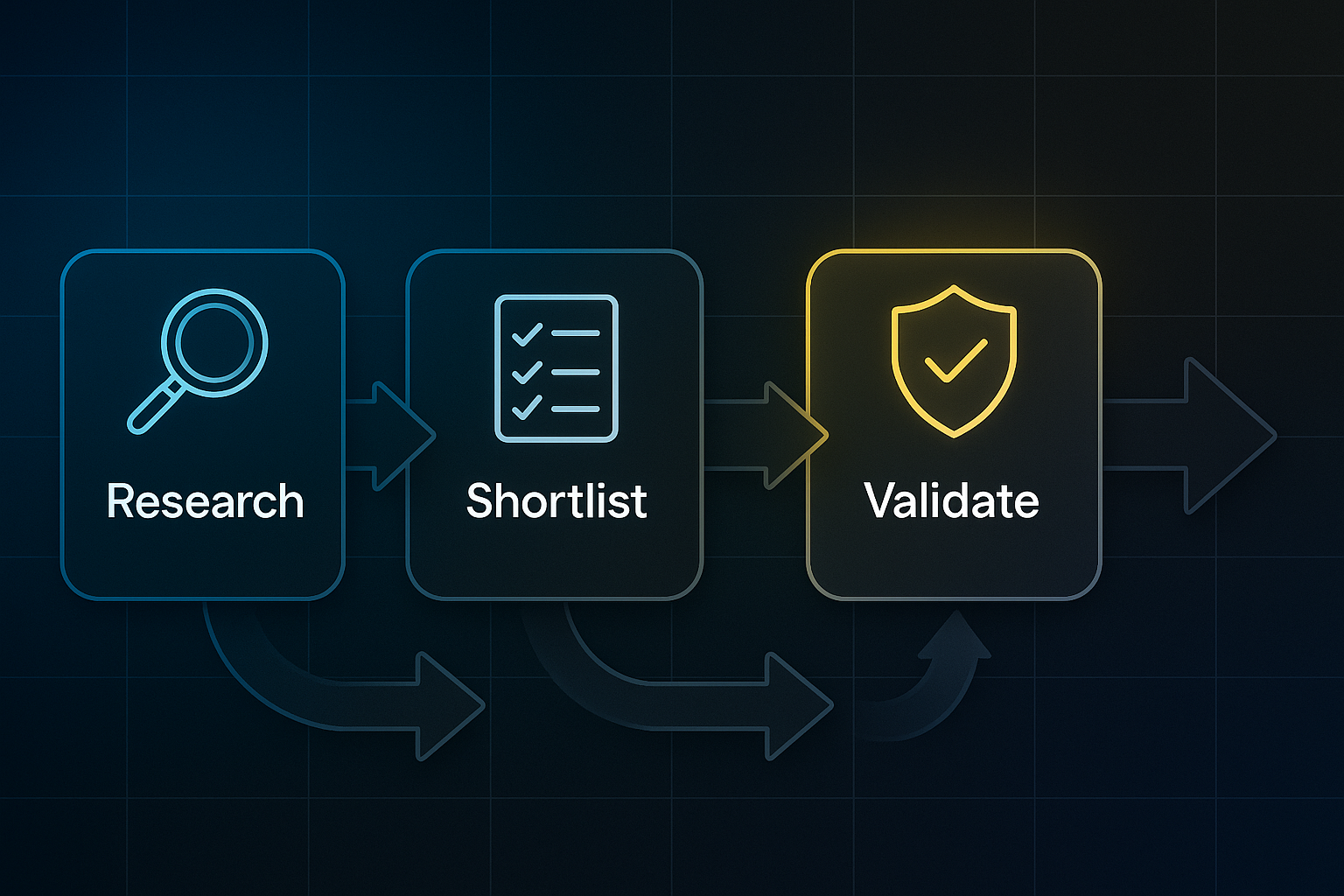
Every week, you’ll want a routine that takes you from raw competitor research to a focused shortlist. Here’s what a solid workflow looks like—broken down step by step so nothing gets missed:
- Discover Qualified Prospects
Fire up Ahrefs ($99/mo) or SEMrush ($129.95/mo) and sift through your competitors’ backlink profiles. Extract domains with a Domain Authority or Rating of 35 plus and at least 1,000 monthly visits. Once you’ve got your candidates, export them straight to Google Sheets for easy sorting. - Validate Engagement & Relevance
Switch to BuzzSumo ($99/mo) to check for at least 500 shares or standout content performance, making sure sites match your niche. Then use Linkody (€29/mo) to catch any existing links and monitor new ones for quality. - Prepare Linkable Assets
Build targeted assets—case studies, infographics, research articles—and polish them up with Surfer AI ($59–$89/asset) and SEOSwarm to nail SEO and E-E-A-T standards. Each asset should reach 100 shares or 200 monthly visits before you start outreach. - Track Prospect Data & Outreach
Keep all contacts deduplicated in Sheets or a CRM. Log your outreach and responses. SEOSwarm’s analytics dashboard lets you automate follow-ups and check progress at a glance.
Once you’ve established your initial shortlist, pay close attention to best practices during your outreach to ensure high success rates and avoid common errors.
Best Practices and Common Pitfalls
As you fine-tune your workflow, make sure you’re consistently checking these priorities:
- Prioritise niche relevance
Go after sites truly connected to your industry. Irrelevant domains won’t move the needle and can trigger SEO penalties. - Vet for site authority and health
Always confirm domain strength and watch for spam signs using your validation tools. - Personalise all outreach
Tailored content pitches tied to your assets will improve response rates. - Monitor new links actively
Lean on Linkody to track placements and quickly disavow any duds.
Most mistakes happen when people chase volume without relevance, skip engagement checks, or automate too early. Always cross-check every prospect before you make contact, hold off on automation until you’ve vetted everything manually, and your campaign will stay sharp and scalable. Ready for the next step? Now you’ll see outreach tactics that actually land real, lasting backlinks.
Tracking, Monitoring, and Analysing Link Value in 2025
Winning backlinks is only step one. Active monitoring is how you secure authority and keep penalties at bay. You need a system that gives you real-time visibility into every link’s value and risk. That way, you can react quickly, stay in control, and prove your results—even as SEO gets more demanding in 2025.
Step-by-Step Backlink Monitoring
Without a reliable routine, it’s easy for small risks to snowball into big problems. Each step below tackles a different risk and keeps your backlink profile strong.
- Export and Consolidate
Every week, export from Ahrefs ($99/mo), SEMrush ($119.95/mo), and Linkody (€10.50/mo). Import into Google Sheets. This single dashboard takes just 15 minutes to update. - Track and Flag Key Metrics
For each link, log Domain Authority (DA ≥30), anchor type (under 30% exact-match, checked in Ahrefs/SEMrush), placement, and toxicity. With SEMrush: 60–100 means disavow, 45–59 needs review, 0–44 is safe. Set aside 30 minutes for checking and fixing issues. - Validate and Troubleshoot Link Health
Let Linkody catch lost links or retention dips. In Google Search Console, confirm new links are indexed—request reindexing if needed. Recrawl or do a manual check if tools disagree. - Mitigation and Escalation
Disavow toxic or lost links within three business days. If tools fail, switch to daily manual spreadsheet reviews. If a link isn’t indexed after seven days, let your site editor know.
Audit Metrics Table
Having clear metrics on hand speeds up reviews and lets you spot patterns fast.
| Metric | Tool(s) | Scale/Threshold | Review Timing |
|---|---|---|---|
| Domain Authority | Ahrefs, SEMrush | ≥30 | Weekly |
| Toxicity Score | SEMrush | >59 disavow, 45–59 review | Weekly |
| Anchor Diversity | Ahrefs, SEMrush | ≤30% exact-match | Per campaign |
| Retention Rate | Linkody | ≥85% monthly retention | Monthly |
| Referral Traffic | Google Analytics | 20–50% uplift | 30-day rolling |
Imagine this: A campaign earns 320 backlinks at DA ≥34 and 76% varied anchors.
Linkody spots 16 lost or toxic links. After cleaning up, traffic rebounds by 5% in days.
Validation, Prevention, and Troubleshooting
Campaigns stay healthy when you schedule regular checks and take action before issues arise. Here’s how to keep things on track:
- Validation protocol
Check DA in Ahrefs/SEMrush, track retention with Linkody, review anchor balance, and monitor traffic in Google Analytics. Reassess every 30 days per campaign. - Prevention steps
Use weekly audit reminders. Keep a tab dedicated to anchor and toxicity tracking. Automate lost link and disavow responses if you can. - Edge-case handling
If a tool goes down, switch to daily manual tracking. Pause outreach and rework assets when link churn spikes. For unindexed links, resubmit and contact editors after a week.
Resource and Outcome Context
Initial setup takes 2–3 hours. Weekly monitoring usually runs 1–2 hours.
Budget $99–$119.95/month per tool. You’ll need spreadsheet and analytics access, plus moderate SEO know-how.
Manual tracking, for example with Google Search Console, will double your audit load if tools go offline.
Run this process well and you’ll consistently hit 85% or greater retention, 20% or higher monthly traffic growth, and zero penalty warnings.
Always log changes, back up your sheets, and check campaign progress. That way you always know your link acquisition efforts are paying off.

AI-Powered
SEO Content Strategy
See the AI platform that's replacing entire content teams
(with better results).

Scaling Link Acquisition: Actionable Automation, AI Asset Deployment, and Tiered Linking
Getting link acquisition to scale in 2025 is less about sending manual emails and more about working smarter—letting automation platforms, AI, and a tiered link strategy do the heavy lifting.
The turning point usually comes when your prospect lists grow beyond 50–100 a month or you’re spending more than four hours weekly just on manual email outreach.
At that stage, it's time to consider platforms like BuzzStream, Postaga, Pitchbox, Respona, or NinjaOutreach.
But, before diving in, check that your team has admin or editor permissions, you’ve got outreach-ready content assets lined up, and there’s a CRM in place to manage contacts.
If you’re missing any of those, sort out tool access, permissions, and asset quality checks before you start automating.
As you scale your link acquisition process, you’ll encounter technical concepts and troubleshooting challenges that are crucial for success.
Scaling outreach introduces several technical concepts and challenges you'll encounter along the way, including:
- Key Acronyms
API (Application Programming Interface), GSC (Google Search Console), DR (Domain Rating), DA (Domain Authority), Indexation (URLs included in Google search) - Troubleshooting Options
Platform failure? Go manual or try another tool. Low indexation? Run a Google Search Console re-crawl, refresh your asset, or cut your outreach volume. High link decay? Audit your links, disavow bad ones, rotate content, and flag issues for further review. - Common Limitations
Automation can stumble in niche industries, with tight budgets, or where editorial standards change often. Content bottlenecks also slow things down.
For a quick snapshot of what different platforms can handle, consider this:
| Platform | Monthly Volume | Cost/Month | Reviewer Capacity |
|---|---|---|---|
| BuzzStream | 300 | $24+ | 1 editor |
| Postaga | 10,000 | $82+ | 2 editors |
| Pitchbox | 1,000+ | $495+ | CRM team |
| Respona | 12,000 | $99+ | 2 editors |
| NinjaOutreach | 1,000+ | $49+ | 1–2 editors |
To keep your outreach humming, create a couple of different template variants and set up follow-ups every 4–7 days.
Key metrics for success include:
- Open rates
Aim above 15%. - Reply rates
Aim for at least 8%. - Link placements
Target over 2%.
Each week, look out for bounce rates above 5%, unsubscribe rates over 2%, or batches earning less than 2% placements.
Switch up your templates or pause those batches as needed.
SEOSwarm AI Asset Workflow
The AI workflow can really lift your content at scale.
Here’s how it works:
- Install the blog-in-one-minute tool
Just 2 lines of code, under 30 minutes, and launch the schema hub via Cloudflare. - AI agents go to work
Creating and formatting posts. - Editors check every post
For DR 30+, proper SEO tips, and relevance before it goes live. - Publish using the API or Google Search Console
Within three days, check for at least 90% of posts indexed; after seven, aim for 85% or more. - If you fall short
Have the AI revise the assets, resubmit, or escalate to manual review for stubborn cases.
Tiered linking is your “survival of the fittest” approach for lasting results.
Start with tier one: DA 35 or above, at least 1,000 monthly visitors, and indexation above 90% in two weeks.
Tier two links support the heavyweights—DA 25+, three or more links per top-tier site, and less than 30% exact-match anchor text.
Tier three is your forum and blog filler—under 2% of links, with 90% survival over a month.
For serious scale (1,000+ links monthly), you’ll need at minimum two outreach specialists, one analyst, and one editor.
If you’re aiming for 5,000 links or more, double your team.
Always monitor these secondary metrics to ensure lasting results:
- Weekly traffic jumps
- New referring domains
- Editor processing speed
- Audit frequency
- Link survival rate for each campaign batch
Edge cases happen—maybe API or GSC access disappears, link decay accelerates, or a penalty warning crops up.
If these issues arise, shift back to manual outreach, ramp up your audits, and hit pause before relaunching campaigns.
If you spot a drop of more than 10% in DR or DA in a fortnight or indexation lags behind, halt tier-two and three efforts and dig into your link audits.
These specifics keep your link programme scalable, resilient, and protected from nasty algorithm surprises.
Blog-in-one-minute
Add a fully SEO-optimised blog to your website with just 2 lines of code.
Learn more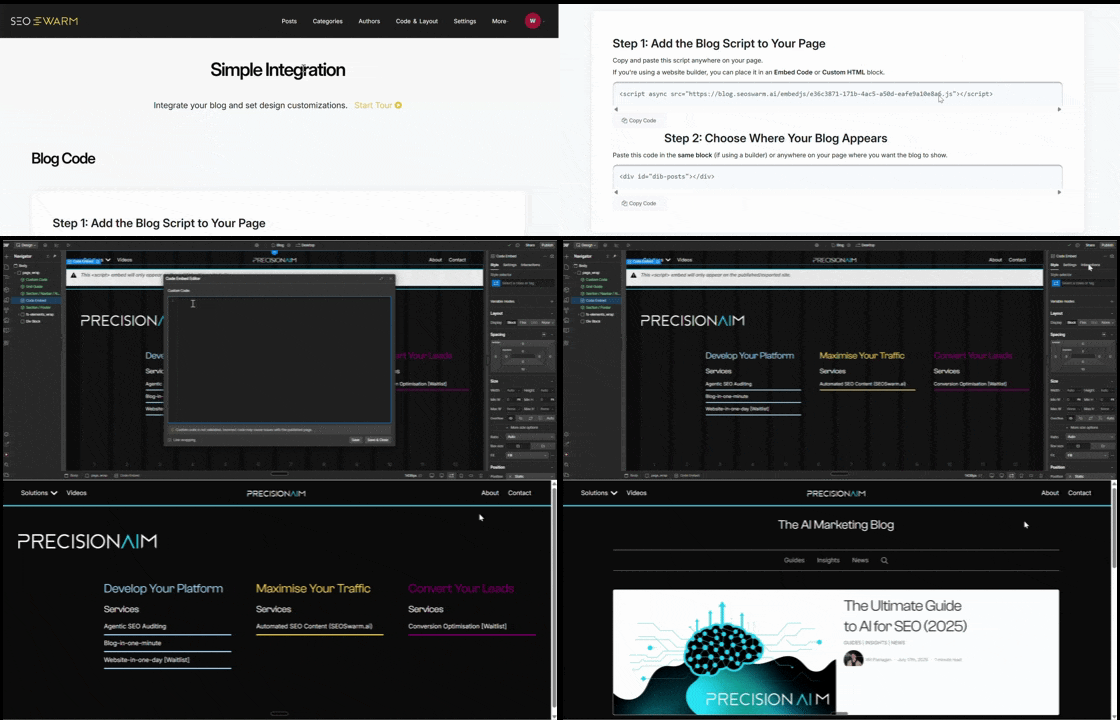
Ready to turn those links into lasting authority? The next section takes you from tactics to keeping results locked in for the long term.
Monitoring and Maintaining Acquired Backlinks
Keeping track of acquired backlinks is absolutely vital if you want SEO results that stick in 2025. Picking up links is one thing—making sure they stay healthy and valuable takes ongoing effort. So, having a regular audit protocol is crucial.
Set a monthly audit date—the first Monday of each month is ideal. Make one person responsible for logging every issue and fix in Google Sheets.
You'll need reliable tools: Ahrefs, SEMrush, Linkody for backlink health, BacklinkManager for tracking, and Google Sheets to keep everything organised.
Every audit should cover total backlinks, unique referring domains, domain authority or rating (DA/DR for trust signals), anchor text diversity, link survival rate, and referral traffic.
If a DA/DR drop plus 10%, anchor clustering above 30%, or declining referring domains for two months show up, act quickly and record every step.
Why do these numbers matter so much? They let you spot issues early, keep your team focused, and help you prioritise what needs attention.
This table sums up the core benchmarks and warning signs you'll deal with during any backlink audit:
| Metric | Minimum | Warning | Ideal Target |
|---|---|---|---|
| Domain Authority/Rating (DA/DR) | ≥30 per link | <25: urgent review | ≥50 on new links |
| Anchor Text Diversity | <30% exact-match | >30%: adjust | 15–20% exact |
| Referral traffic growth (month-on-month) | >15% | No/negative in 30 days | 20–30% |
| Link survival rate | >85% at 6 months | <70%: re-audit | 90%+ long-term |
| Referring domains | Flat/rising | 2 months decline | 2–5% month-on-month growth |
With these benchmarks in mind, you can put the numbers into practice.
If your DA/DR falls below 25, update assets and reinforce their topical relevance. Aim for results inside 7 to 10 days.
Anchor clustering beyond 30% means working in more branded and generic anchor text to avoid Google penalties.
If referral traffic goes flat for a month, review placements and refresh your most linked content so performance bounces back.
A link survival rate under 70% means you need to chase replacements. Aim to reclaim at least 40 to 60% of lost links within two weeks.
A drop in referring domains over two months should prompt new outreach and fresh assets.
Critical links—those underpinning 5% or more of your referral traffic or at DA/DR above 50—deserve auto-reminders for rapid replacement. Use BacklinkManager or Linkody to never miss a beat.
Penalty management needs urgency. High toxicity scores, DA drops above 15%, and anchor over-optimisation all signal danger. Respond within two hours by confirming the issue, disavowing via Google Search Console, fixing anchors, and logging fixes carefully.
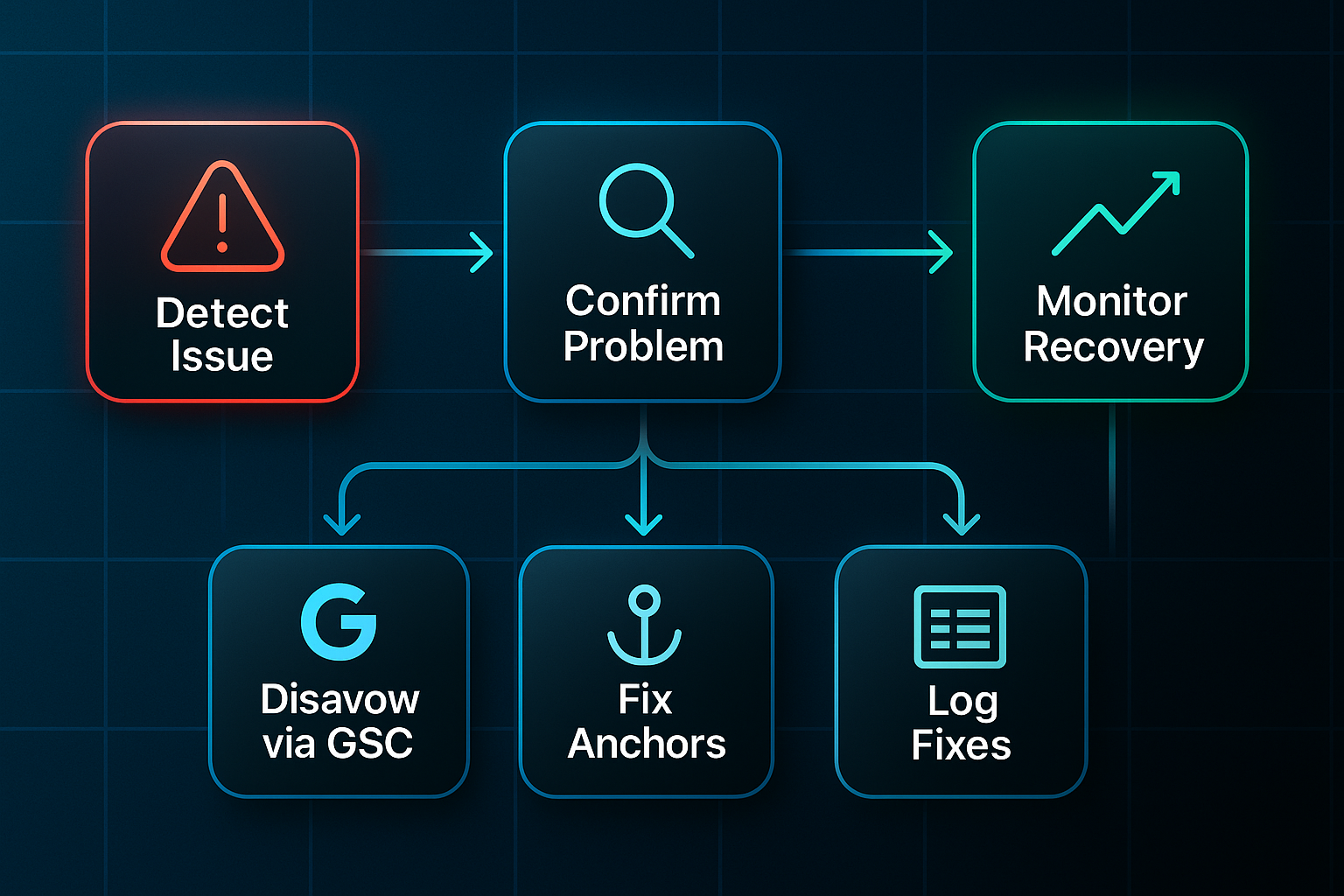
Minor dips often bounce back in a week, but major penalties could drag on for three and might call for technical SEO help.
Delaying fixes significantly slows down rank recovery. Following these routines means your link programme won't just work now—it will keep paying off for months to come.
Now, the next step—see these tactics in real campaigns. You’ll discover proven blueprints that put this maintenance philosophy to the ultimate test.
Case Studies: Effective Link Acquisition Campaigns in Action
Fractl & Porch.com—Home Services PR Link Blueprint
Let’s see how disciplined outreach pays off. Porch.com began with 390–931 referring domains, prospecting only those with DA 35+ using BacklinkManager and Ahrefs. Their journalist segmentation and data-driven asset creation made every pitch precise, boosting open rates above 20%, reply rates to 8%, and leading to over 3,500 press mentions.
That kind of impact is tough to ignore!
So, what helped them achieve such reliable results? Here are the key actions behind their success—and how you can apply them too:
- Curate qualified press contacts
Focus tightly on high-authority targets; segment for relevance. - Create and validate assets
Develop trending, fact-checked content and log revisions for quality. - Personalised outreach
Rotate templates and sender profiles to increase engagement, then monitor results closely. - Monitor links/anchor text
Track placements and anchor diversity, acting fast when clustering climbs past 30%.
Whenever DA growth cooled, Porch.com quickly refreshed assets and retargeted the most valuable domains. This approach demonstrates the importance of adaptability in long-term link acquisition.
Building on these principles, consider how a SaaS campaign can achieve similar results through tailored strategies.
Ahrefs SaaS Pillar Campaign Blueprint
Ahrefs mapped SEO and statistics clusters, segmented assets, and automated live trend monitoring through BuzzStream and Pitchbox. Keeping engagement this high in SaaS outreach is trickier than it looks, but their process shows what it takes to maintain consistency at scale.
Here’s the practical process Ahrefs follows to always stay consistent:
- Map topical clusters
Assign content to core SEO and statistics topics. - Automate trend monitoring
Set alerts and keep assets fresh. - Segmented outreach
Test timing and templates for stronger engagement. - Anchor and DA review
Hold branded anchor diversity above 50%, with quarterly rating checks.
Regular audits kept exact-match anchors under 30%. Targets included DA growth of 2 or more points, at least 10 press mentions, and 15% uplift in monthly traffic.
To apply these lessons to your own campaigns, structured planning is essential for dependable, replicable results.
Replication Roadmap: Timeline, Validation, Troubleshooting
Here’s a campaign path to guide your implementation—from prospecting to full-scale outreach—along with typical timelines and costs.
- Prospecting
1–2 weeks; qualify best targets. - Asset creation
2–4 weeks, budgeting £120–£2,400. - Outreach
1–3 weeks, platforms from £19 per month. - Full campaign
2–4 months, £400–£4,000 all in.
For success, aim for open rates above 20%, replies over 5%, more than 2% placements, DA boost by 2 or more, 50% or more branded anchors, 10 or more press mentions, and 15% monthly traffic growth. If any metrics slip, review contacts, renew assets, and log every fix. It’s all about disciplined execution and regular review to ensure sustainable growth.
My Final Thoughts on Link Acquisition
Quality backlinks aren’t just digital endorsements—they’re the difference between fleeting rankings and lasting authority. I’ve seen too many campaigns stall because they chased volume over relevance or skipped routine audits. The truth is, sustainable link acquisition means treating every backlink as an asset that needs ongoing care and validation.
Here’s my advice: Build your prospect lists with strict authority and relevance benchmarks, track every outreach, and schedule monthly audits to catch issues early. Use tools like Ahrefs, SEMrush, and Linkody to monitor link health, anchor diversity, and survival rates. If metrics slip, act fast—refresh assets, adjust anchors, and reclaim lost links before problems snowball.
The best results come from disciplined, data-driven routines—not shortcuts. Treat your backlink profile as a living portfolio, and you’ll see steady growth, resilient rankings, and real business impact. Authority isn’t won overnight—it’s earned link by link, audit by audit.
- Wil