
Creating content that ranks well on Google is tougher than ever. Even experienced writers and marketers can feel overwhelmed by shifting algorithms, keyword research, and the pressure to publish faster.
I've tested dozens of SEO content writing tools, and I know how much difference the right software can make. The best platforms don't just check grammar—they offer live optimisation, competitor analysis, and workflow automation that actually move the needle.
In this article, I'll compare ten leading SEO content writing tools, from all-in-one SaaS solutions like Surfer SEO and Jasper, to agency-led platforms such as SEOSwarm. You'll see exactly what each tool offers, where they shine, and which features matter most for your workflow.
Whether you're a solo blogger, agency lead, or part of a growing team, you'll find practical recommendations and a side-by-side comparison table to help you choose the best fit. By the end, you'll know which software can help you create content that's not just readable, but truly discoverable.
What is SEO content writing software?
Defining SEO content writing software
Let’s get straight to it: SEO content writing software isn’t just a fancy word processor. These are specialised digital tools made to help you create web content that search engines want to show.
While classic word processors like Microsoft Word or Google Docs focus on formatting and grammar, SEO content platforms go a step further. They deliver live analysis and optimisation prompts, giving you exactly what’s needed for Google to notice your work.
The biggest difference compared to generic AI writers—those basic GPT engines—is the live, relevant feedback. Where standard AI just churns out readable text, SEO content software delivers SERP-based guidance, competitor insights, and content scoring to make your writing genuinely discoverable.
Wondering what features you’ll find?
- Keyword research and integration
Surfaces top keywords and related terms based on current rankings. - Semantic and topical analysis
Spots the themes and subtopics that successful content includes. - Competitor benchmarking
Highlights strengths and weaknesses compared to rival pages. - Real-time optimisation
Offers pointers on meta tags, structure, and keyword placement as you go. - Publishing integrations
Links directly to your CMS—WordPress, Notion, and others—for easy publishing. - On-page SEO audits
Flags missing, excessive, or neglected elements before publishing.
Core objectives and benefits
Why use SEO content software at all? Its main aim is to bridge the gap between what search engines want and what your audience actually needs.
Here’s the impact:
- Improved rankings and visibility
Aligns with search trends, user intent, and ranking signals for better performance. - Efficiency and faster output
Automates research, content briefs, and teamwork—saving time and effort. - Quality assurance
Built-in grammar, plagiarism, and readability checks ensure your work stays professional. - Continuous compliance
Adapts quickly to changes—think the March 2024 Helpful Content Update and EEAT standards. - Enhanced collaboration
Workflow management, commenting, and versioning keep teams organised. - End-to-end support
Some tools offer templates, audits, and publishing, covering each step from start to finish.
Types and approaches in the market
So, what kinds of SEO content software are out there? Three key types stand out:
- Standalone SaaS platforms
Solutions like Surfer SEO and Semrush combine research, writing, and optimisation all in one. - AI-driven writing assistants
Platforms such as Jasper and Writesonic use AI for drafting but still need human review for quality. - Managed/agency-led service platforms
These pair software with expert guidance—ideal for businesses wanting their whole process managed.
It’s impressive how far these solutions have come. Once basic keyword checkers, now they analyse relevance, authority, and up-to-date search algorithms.
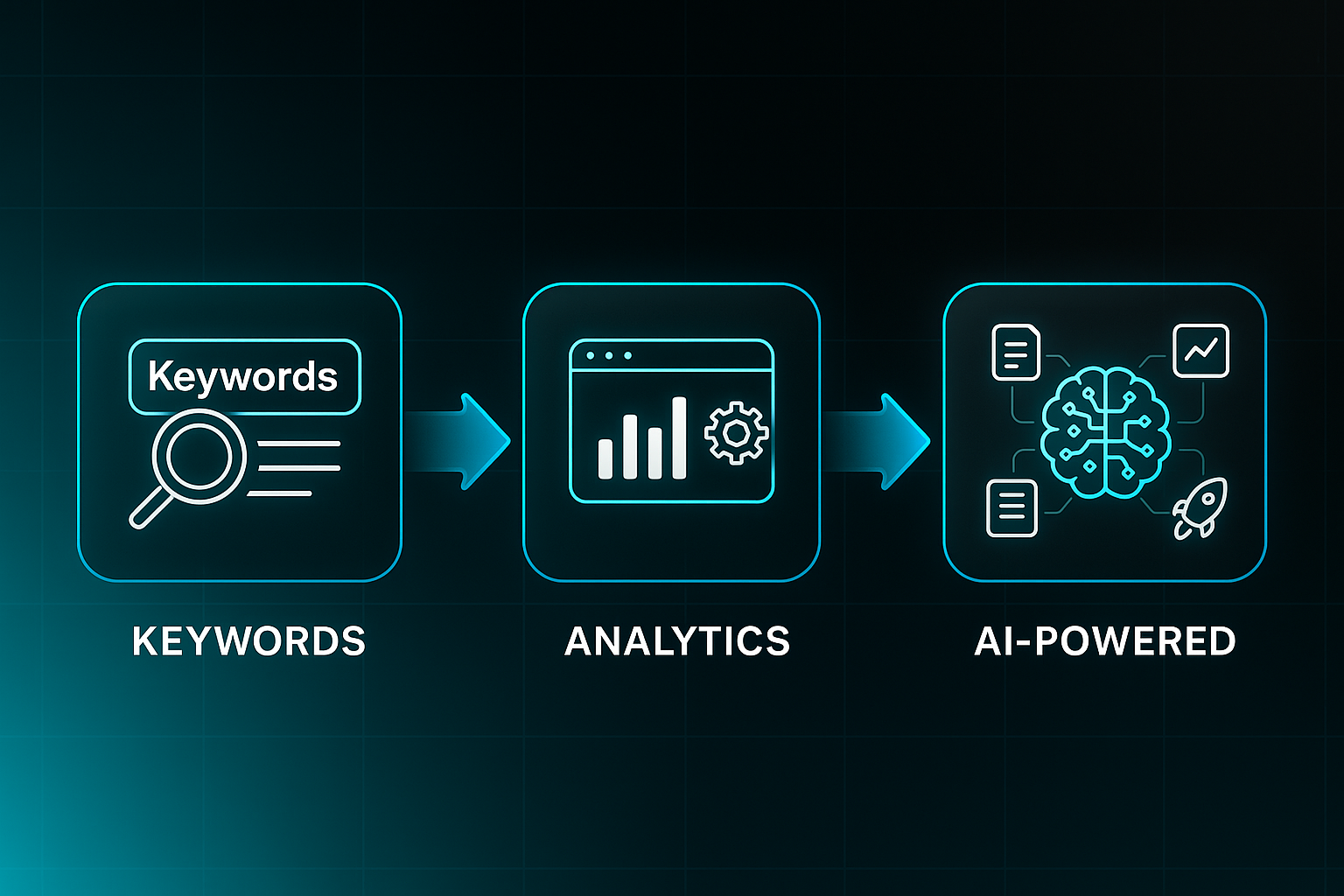
SEO content writing software has moved well beyond keywords. These platforms now power every stage of content creation, ensuring what you publish is high-quality, discoverable, and trusted. That’s a genuine game-changer.
What to look for in SEO content writing software
Core feature checklist
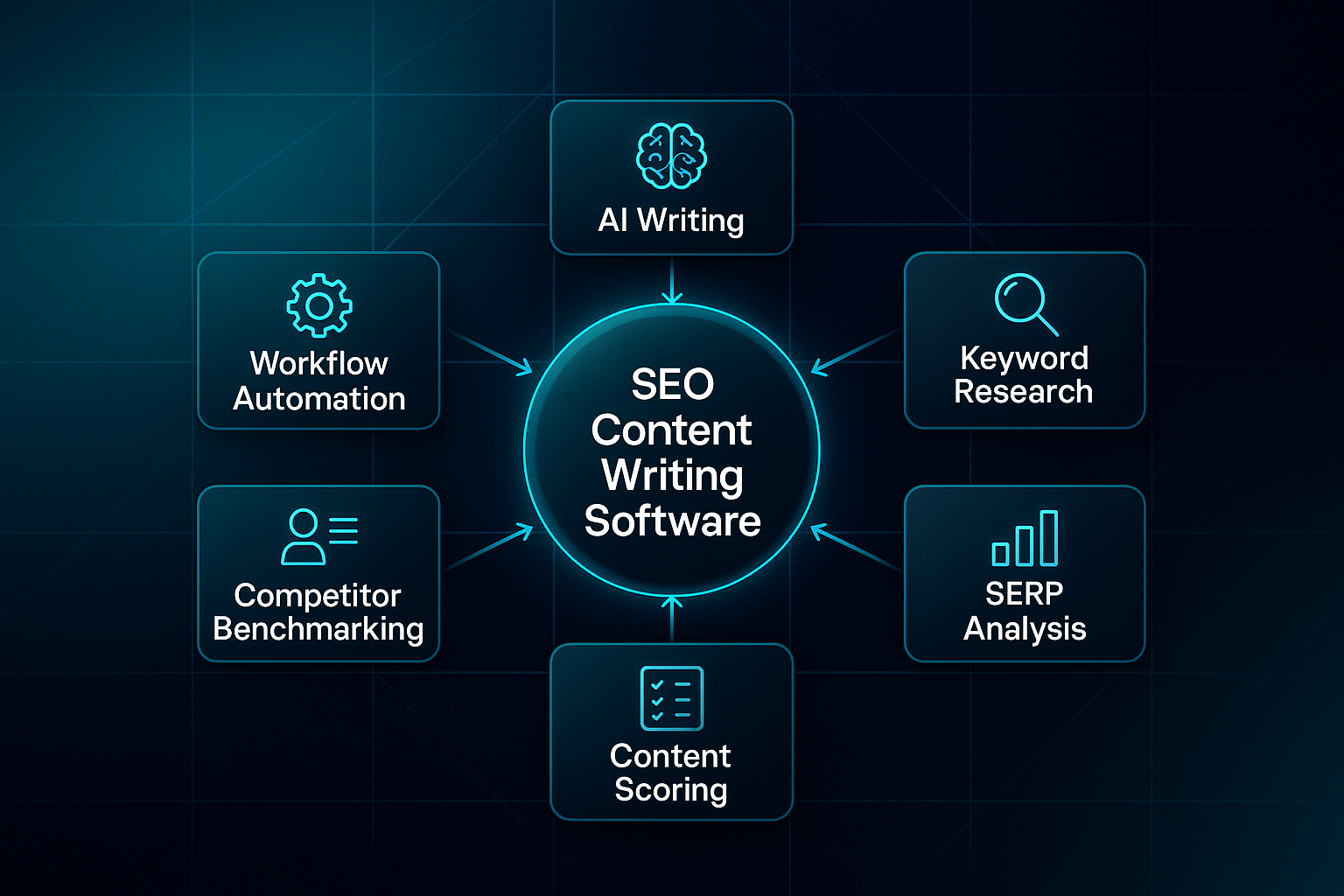
Alright, let’s talk about what makes standout SEO content writing software in 2024. The real aim? A complete toolkit that blends fast creation and clever optimisation, so you keep up without drowning in manual tweaks.
What does this actually look like? The AI-powered writing and automation piece is a game changer. Semrush Content Toolkit—with ContentShake AI—creates SEO-focused articles in various languages and publishes directly to WordPress, cutting out needless steps. Jasper, teamed with Surfer SEO, lets agencies and solo creators ramp up output by producing optimised drafts quickly, perfect for those with big portfolios or tight schedules.
Now, what about keyword research and topic coverage? Surfer SEO shines by offering dynamic keyword suggestions, topic clusters, and NLP-driven related terms—all tied to live SERP data. Semrush keeps you on-trend with fresh ideas and competitor tracking, while Clearscope’s semantic optimisation closes topical gaps and boosts your authority. These platforms give individuals and agencies confidence to target the right topics and scale their content calendar.
AI has fundamentally shifted keyword research from a focus on individual terms to a more holistic strategy involving semantic grouping, entity-based analysis, and comprehensive content depth assessment to build true topical authority.
On-page SEO optimisation matters just as much. Surfer SEO provides live feedback—headings, structure, content length, and internal linking—plus a numeric score so you know where you stand. Semrush SEO Writing Assistant checks readability, SEO completeness, and originality right inside Google Docs or WordPress. Most tools guide you on schema markup and flag missed structural opportunities, but agencies really benefit from smart linking prompts and multi-platform publishing.
And don’t forget SERP and competitor analysis. Why play guessing games when you can see exactly what the top-ranking pages are doing? Surfer SEO and Semrush help you pinpoint gaps and trends with competitor keyword breakdowns. Their numeric content scoring—Surfer’s 0–100 and Semrush’s custom gradings—make objective improvement much simpler, whether for boosting SEO or readability.
Case study examples
- Individual blogger
Uses Semrush Content Toolkit for idea generation and AI writing, doubling posts while maintaining quality. - Agency team
Combines Surfer SEO and Jasper to collaborate in real time, speeding approvals and upholding high standards across multiple client accounts.
SEOSwarm
Agency-led, AI-powered approach
Let’s talk about SEOSwarm. This isn’t your everyday content tool—it’s a full-blown agency-led service powered by sophisticated, agentic AI. Instead of leaving all the tricky research and optimisation to you, SEOSwarm kicks off with a strategy session tailored to your goals, then brings in AI modules to cover research, outlining, drafting, and polishing each piece.
With specialists reviewing content every step, your brand voice, SEO strategy, and business goals always stay front and centre. This blend—human expertise guiding clever AI—means you get reliably optimised, authoritative work without having to micromanage. No more worrying about content drifting off-brand or missing the mark. Everything from in-depth research to on-page SEO (think EEAT principles, structure, and smart internal linking) is baked in.
AI excels at processing vast amounts of data to identify patterns and opportunities, while human experts provide the strategic oversight, creativity, and nuanced understanding of user intent necessary to capitalize on those insights.
Key features and platform strengths
So, what makes SEOSwarm shine? For starters, it’s got enterprise-level automation: automatic internal links, schema markup, and EEAT-led optimisation straight out of the box. Those time-draining SEO chores—keyword integration, competitor checks, and detailed scoring—are all handled with minimum fuss. It’s honestly a game changer compared to “do-it-yourself” platforms.
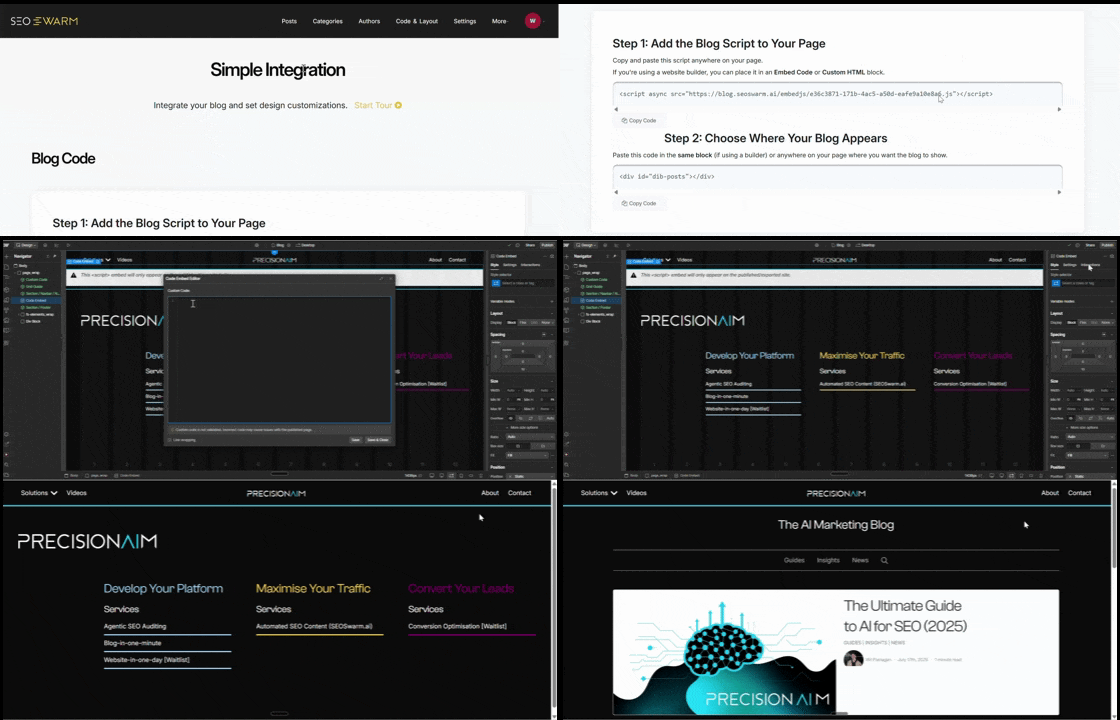
Here’s something else: SEOSwarm directly integrates with “blog-in-one-minute”. That means your workflow, from setting strategy to hitting publish (on super-fast Cloudflare-backed hosting), flows without interruption. Built-in SEO checks and instant hosting ensure every article is primed for discovery and credibility, giving your rankings and engagement a real lift.
Ideal audience and use cases
Who’s SEOSwarm right for? Agencies, SaaS brands, other businesses—anyone needing high-quality, scalable content and wanting to keep internal hassle to a minimum. Perfect for rapid expansion, nailing consistent brand standards across multiple sites, or ticking regulatory compliance boxes. Let’s be honest: for end-to-end, expertly managed SEO content, it outpaces most self-serve SaaS platforms.

AI-Powered
SEO Content Strategy
See the AI platform that's replacing entire content teams
(with better results).

blog-in-one-minute: Optional add-on
Think of “blog-in-one-minute” as your on-demand blogging site builder. It’s an optional upgrade that gives you instant blog sites, ready and optimised for SEO, with schema and speedy Cloudflare hosting bundled in. If you’re short on blog infrastructure or want to launch new projects fast, this add-on makes SEOSwarm’s capabilities stretch even further—without any technical headaches.
Surfer SEO
Source: surferseo.com
Content optimisation engine
Let’s talk Surfer SEO—it’s built to help you create content that’s not just readable, but genuinely SEO-friendly. At its core is the Content Editor, drawing on live Google data for every draft.
As you work, the Content Editor checks keywords, headings, structure, and overall length against real-world top performers. These recommendations aren’t just guesses; they’re modelled on what’s ranking right now.
And here’s the fun part: a live Content Score (from 0 to 100) updates as you edit. So you adjust on the fly, always knowing where you stand. Whether you’re a seasoned content lead or just starting, that instant feedback is a huge advantage.

Surfer Seo Content Editor Tutorial Create SEO Optimized Articles
SERP analyser and keyword cluster recommendations
Now, this is where Surfer digs deep. Ever wondered why certain pages reach the top? The SERP Analyzer actually examines over 500 elements from the highest-ranking sites—everything from structure and keyword density to content length and links.
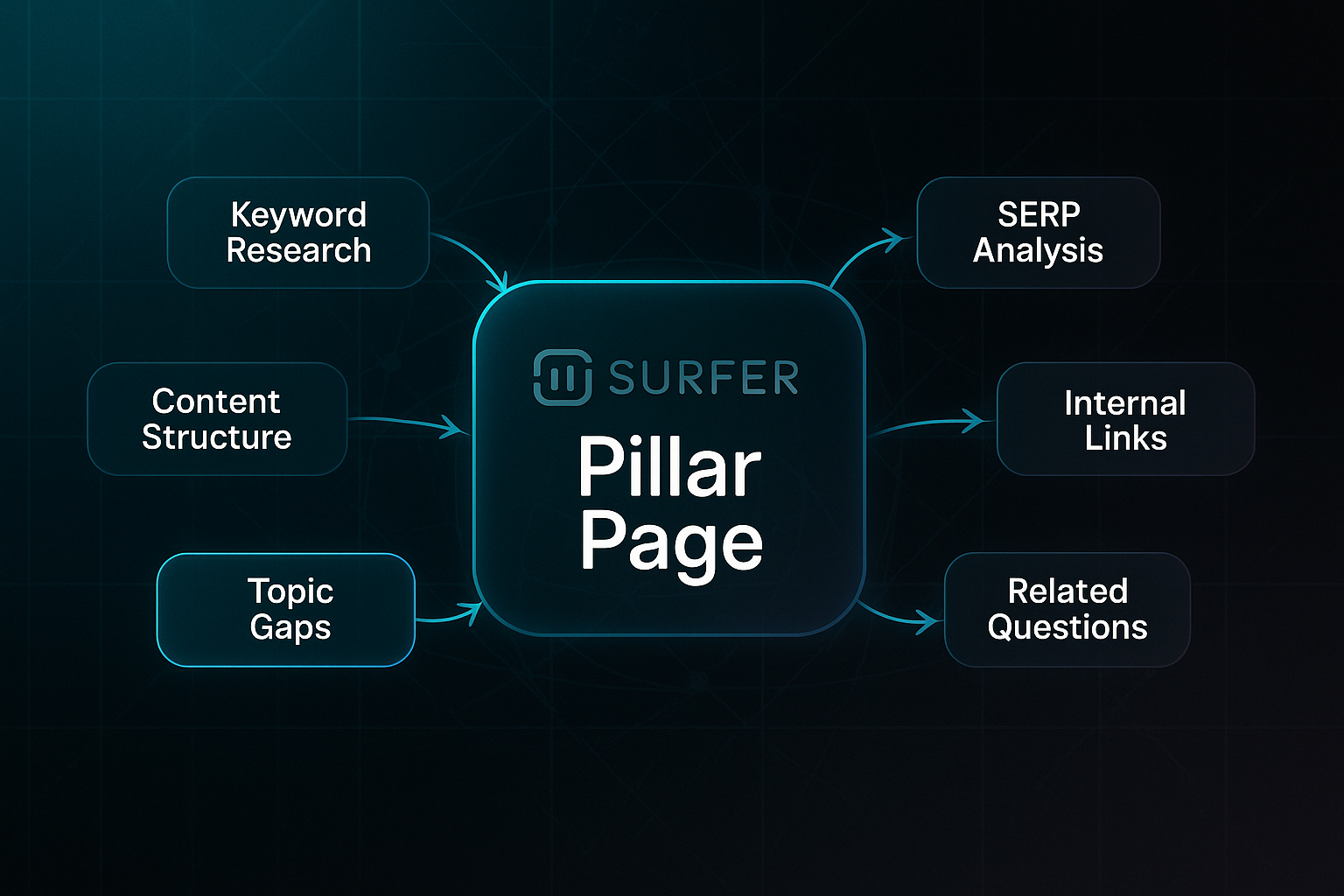
But Surfer doesn’t stop there. It helps map out visual keyword clusters and generates topic maps, so you can spot gaps and find related themes worth covering.
This means building comprehensive pillar pages is much easier. Agencies and brands aiming to scale love this for identifying new opportunities and avoiding keyword cannibalisation.
Key integrations and workflow fit
What makes Surfer especially handy is how smoothly it works inside Google Docs, WordPress, and Jasper. All the optimisation support and collaboration tools are available right where you already write.
Multi-user editing, content approvals, and task management are all built in. So, agencies or solo writers alike can boost both efficiency and quality, taking a draft to published post with minimal faff.
Pros, cons, and best use cases
So, what’s the verdict? Surfer’s real-time feedback, quantifiable scoring, and keyword clustering make it perfect when you need to optimise at scale.
But since its advice relies on SERP correlation, some suggestions might feel formulaic if you skip editorial review. Double-check those keyword prompts for best results.
Compared to the rest? Surfer is fantastic for volume, fast workflows, and teamwork. If you put a premium on actionable optimisation, Surfer’s right in its element.
Jasper AI
Source: jasper.ai
AI-driven content creation
Let’s take a closer look at Jasper AI. If you need to produce high volumes of on-brand content, this platform is right up your street. Jasper offers over fifty templates—covering blogs, ads, web pages, product blurbs, and emails.
One feature stands out: Brand Voice. By feeding Jasper your reference documents, it learns and repeats your company’s tone and style. That means, no matter the format, your messaging stays consistent and recognisable.
For bigger projects, Jasper’s bulk generation lets you quickly produce numerous copy variations. Want a dozen unique ad descriptions or a set of product listings? That’s its bread and butter.
But be careful—if you depend solely on templates or batch generation, things can start to sound repetitive. In competitive markets, injecting custom prompts and edits is a must for originality.
SEO and platform integrations
How’s Jasper for SEO? Instead of building it from scratch, Jasper integrates with clever external platforms. The standout is the Surfer SEO connection, giving you live keyword suggestions and content insights straight inside Jasper’s editor. As you write, you see how each draft stacks up for search.

Rank on Google with AI: Jasper & Surfer SEO full tutorial
Jasper also integrates with Grammarly for smoother, clearer writing, plus offers publishing connections to WordPress and Shopify. The common workflow is: draft in Jasper, overlay Surfer’s optimisation, polish with Grammarly, then publish. Just remember—Jasper doesn’t deliver deep topic research or ongoing SEO refinement on its own. For that, you’ll depend on whoever’s powering the integrations—which can mean extra subscriptions.
Ideal users and workflow positioning
So who is Jasper best for? It shines for marketers, agencies, and busy teams who need fast, consistent, multi-format content—and want to operate at scale.
Unlike Surfer SEO or agency-led services like SEOSwarm, Jasper is all about rapid creation and seamless integration. Just know: to boost authority and technical depth, you’ll want to factor in additional editorial or SEO work. Jasper’s for teams that want variety, speed, and brand cohesion—but expect to fine-tune a little along the way.
Clearscope
Source: clearscope.io
Content optimisation for editorial quality
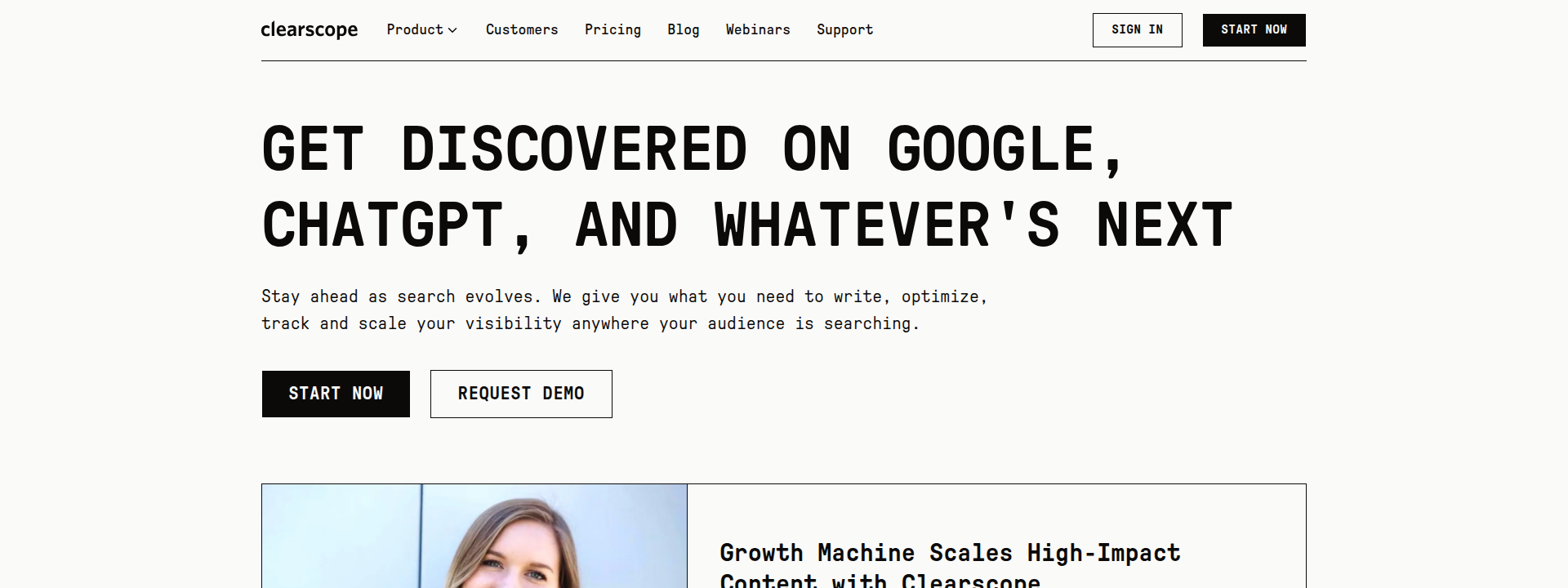
Let’s talk Clearscope—a platform built to help your content excel on Google. Instead of simply churning out words, Clearscope uses smart AI and NLP to analyse what’s already ranking for your target keywords.
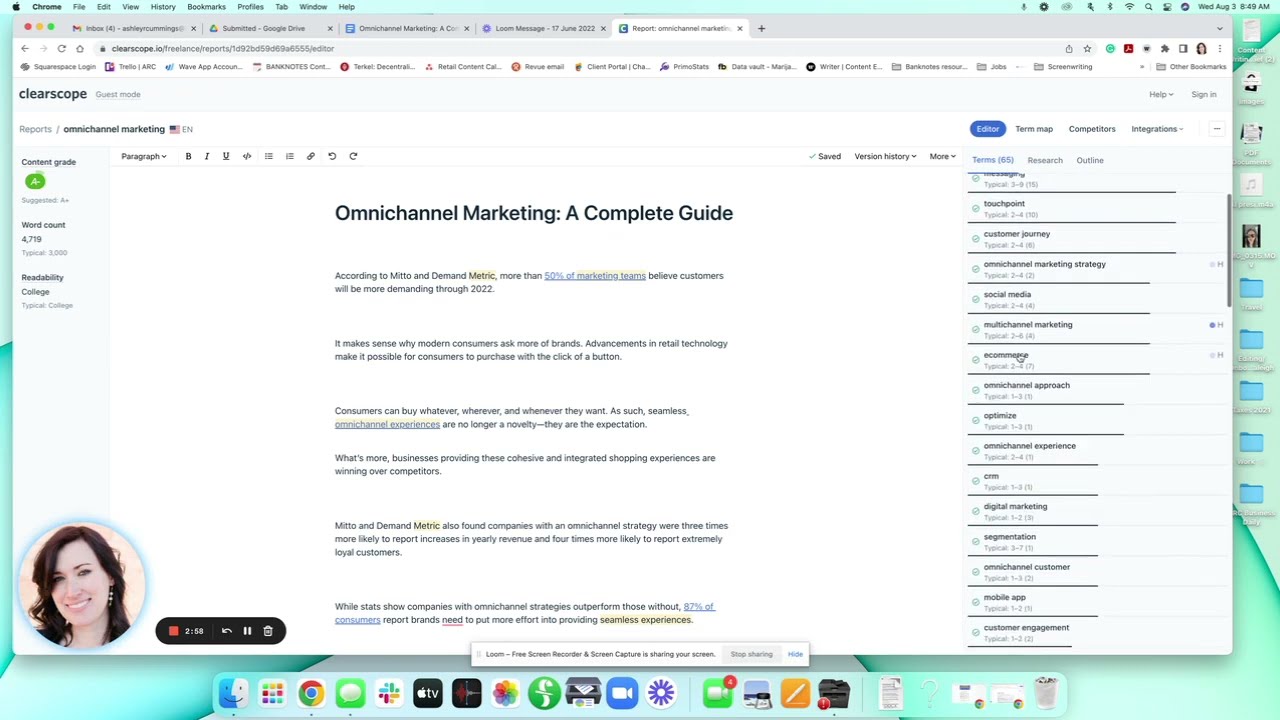
It acts like a sharp-eyed editor, examining competitor headings, keyword use, structure, and trending SERP questions. Out of this comes tailored, data-driven reports with keyword tips, topical gap alerts, and clear word counts. You even see where you stand compared to top-performing pages.
And here’s where it gets clever: as you draft, Clearscope provides a live Content Score (A+ to F), giving you instant, SERP-based feedback. This means you spot keyword stuffing, missing terms, or thin sections right away—no tedious revision loops. Writers and editors can make focused improvements, confident the finished article is complete and on target.
How to use Clearscope for content optimization (SEO)
Workflow integration and team functionality
Clearscope fits seamlessly into Google Docs and WordPress, so you get its optimisation prompts right where you work. Editors can refine a draft in Docs, then run a final SEO check in WordPress before publishing—no exhausting tab switching or manual copying.
Unlimited sharing and rapid onboarding help agencies and editorial teams maintain high standards. With collaborative access, everyone can jump in and keep projects moving. Portfolio tracking tools highlight broken links or outdated content, keeping your library fresh—no chance for cobwebs.
Strengths and limitations
Where does Clearscope shine? It really boosts human-written content, acting as editorial rocket fuel for teams wanting an SEO edge—without writing copy itself. Editorial teams rave about climbing rankings and engagement thanks to its SERP benchmarks.
But it’s not the answer for everything. Clearscope won’t generate text, automate links, or manage your whole workflow. If you need end-to-end automation or are working solo, platforms like Jasper or SEOSwarm may fit better. For teams focused on top-notch, SERP-driven optimisation, though, Clearscope stands out.
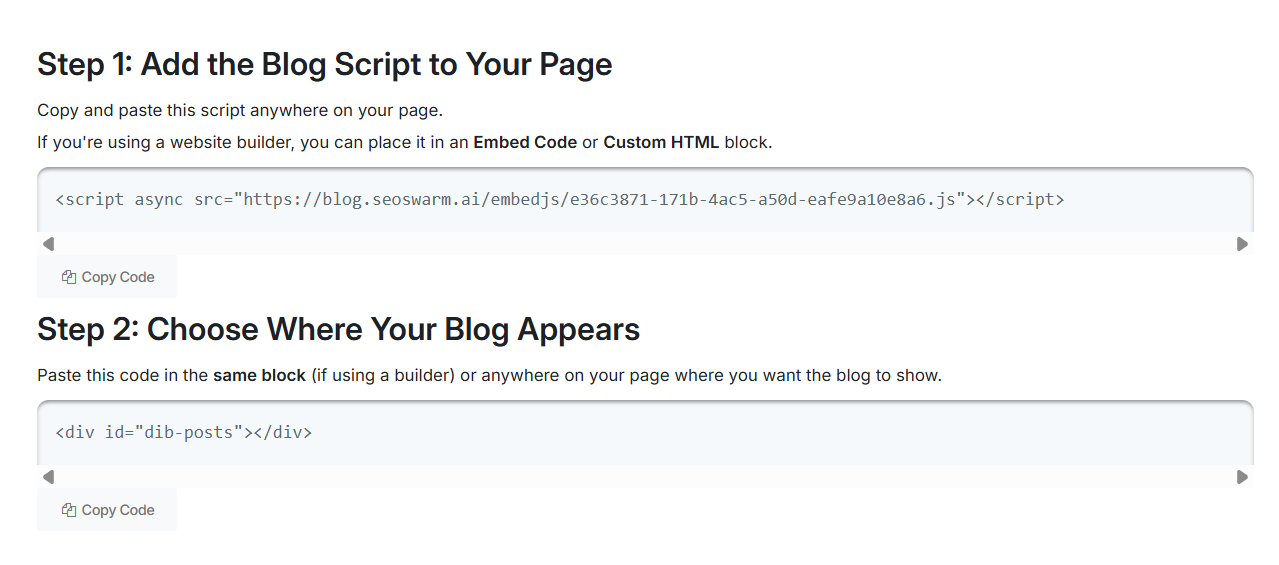
Blog-in-one-minute
Add a fully SEO-optimised blog to your website with just 2 lines of code.
Learn more
Frase
Source: frase.io
Research-driven workflow automation
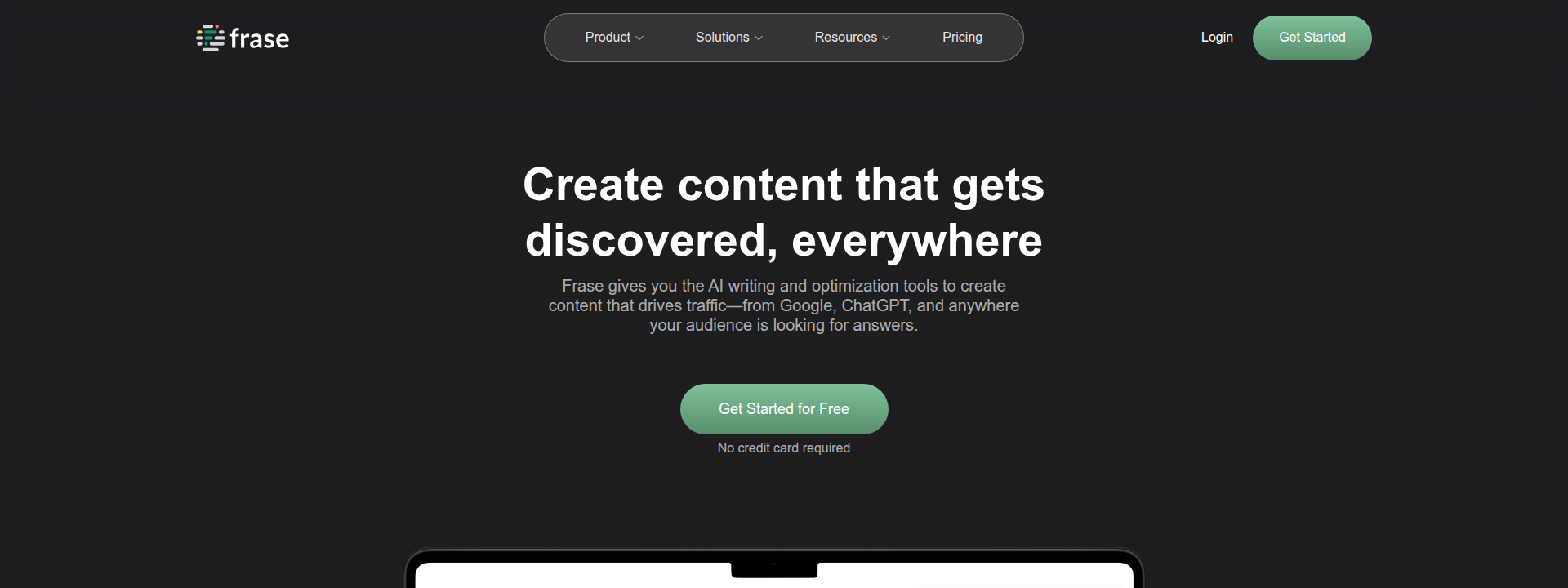
Frase puts research automation front and centre for SEO writers. When you kick off a new brief, it collects live SERP insights—scraping Google’s top results, “People Also Ask” panels, and competitor headings. Instantly, you get access to trending topics and pressing user questions that drive what actually ranks.
The Outline Builder makes this even easier. It pulls together core subtopics, FAQs, and schema-driven sections found in winning competitor pages, so building a well-structured outline feels intuitive and quick. AI-assisted drafts reflect current search intent and real competitive analysis, not just keyword dumps.
Have a blog post that needs updating? Just paste the link into Frase’s import and URL analysis. The system rapidly spots topical gaps and alignment issues, which helps you optimise or repurpose content in line with search trends—especially after major algorithm changes like the Helpful Content Update in March 2024.
SEO optimisation and workflow fit
Frase delivers a real-time content score, measuring your keyword coverage, topical depth, and relevance against current SERP leaders. You’re fed clear prompts on what to add or strengthen—avoiding vague advice and endless guesswork.

SEO Content Optimization with Frase
Workflow features are robust: multi-user folders, granular permissions, campaign dashboards, and Google Search Console integration for deeper analytics. Automated alerts flag declining posts and suggest refresh opportunities, streamlining ongoing SEO maintenance.
Working globally? Frase’s multilingual support lets you write, analyse, and optimise for different languages and regional search behaviours, opening up new SERPs beyond English.
Who gains most with Frase?
Solo creators and small teams often double their output, thanks to integrated research, outlining, and drafting. Rapid blog launches and multi-language campaigns run smoother with Frase’s automation.
To achieve scale with limited resources, one small content team used an AI SEO platform to generate over 200 articles, helping them build topical authority and achieve a 17x increase in daily clicks.
Agencies and portfolio managers save hours by bulk-importing and analysing posts, enabling efficient legacy updates or quick automated rewrites.
Need ultra-detailed optimisation for high-stakes content? Surfer SEO or Clearscope might take the crown. But for agile teams and freelancers after a smart, research-driven toolkit, Frase is an absolute time-saver.
MarketMuse
Source: marketmuse.com
AI-driven research and planning
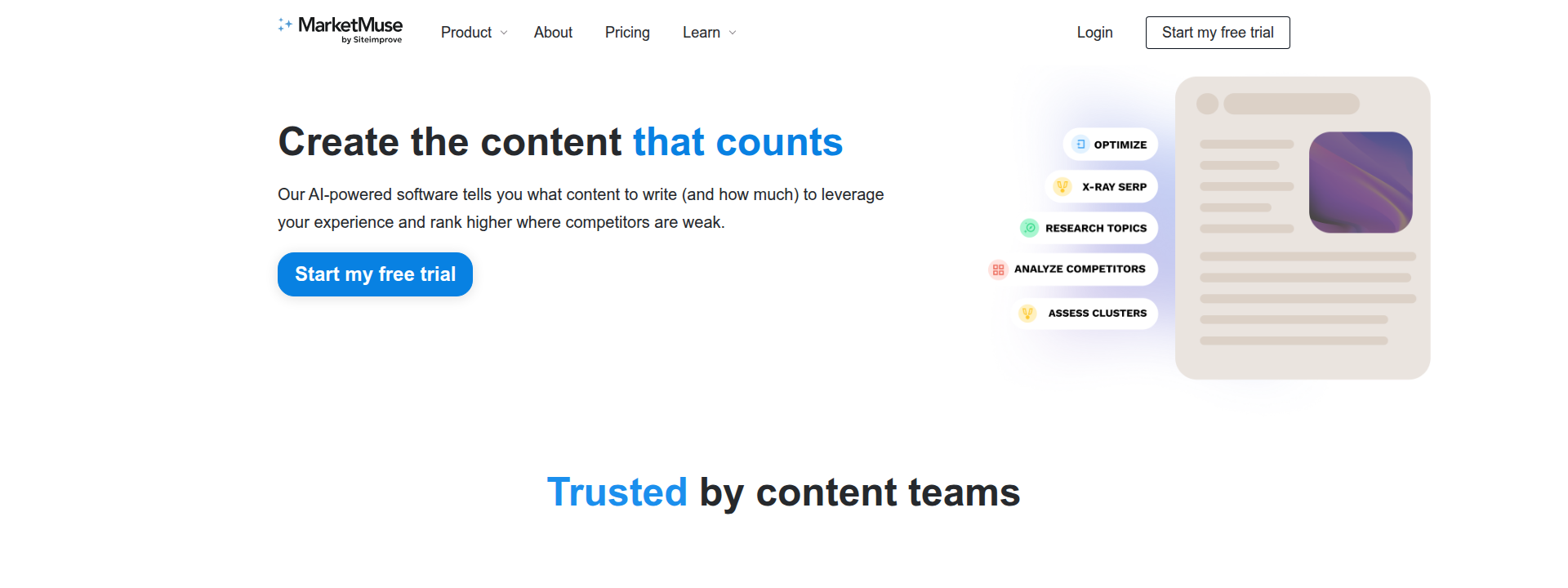
Let’s dive into MarketMuse—this platform does more than scrape the surface of SEO. Its AI drills into user intent and competitor strengths, helping you discover quick-win content and build real authority. Instead of sticking to obvious SERP data, MarketMuse reveals gaps other tools simply miss.

MarketMuse Academy - Creating New Content Using MarketMuse (Part 1)
- Advanced topic modelling
AI clusters topics, subtopics, and intent to expose content gaps overlooked by many platforms. - Personalised authority scoring
Measures your site’s strengths, stacking your work up against the competition. - Automated content briefs
Creates outlines with must-answer questions, topics, and key benchmarks straight from MarketMuse’s research.
Scalability and organisational fit
Dealing with big teams or complex workflows? MarketMuse gives you dashboards, compliance tools, and project oversight—giving larger organisations the coordination they need.
- Portfolio management
Dashboards track large content collections and calendars for maximum organisation. - ROI analytics
Visual impact reports make demonstrating value and redirecting resources straightforward. - Collaboration and compliance
Editorial calendars, audit trails, and permissions support cross-team or regulated work, so nothing falls through the cracks.
Case studies: Tangible enterprise impact
Here’s the difference MarketMuse can make. Kasasa trimmed time-to-publish by 35% and doubled organic traffic within a year by tapping into the platform’s briefs and scoring. Cortex improved lead quality and inter-team flow using workflow and analytics options—quantifiable impact that’s hard to ignore.
Pros, cons, and learning curve
- Strengths
Delivers strategic recommendations, workflow automation, and actionable analytics—all at scale. - Limitations
More complex and higher-priced than many competitors, so onboarding takes a bit more effort. - Best-fit scenarios
Best suited to enterprises or agencies targeting authority growth, workflow clarity, and demonstrable ROI.
Feature comparison: MarketMuse, Frase, Surfer—strengths by use case
MarketMuse is perfect for strategy, advanced briefs, and larger collaborations. For tactical, smaller-team SEO, Frase and Surfer usually offer a nimbler fit.
Writesonic
Source: writesonic.com
Fast AI content generation
Writesonic is all about speed and scale when it comes to AI-powered content. With over 100 templates ready for everything—blogs, landing pages, product descriptions, emails, and social media—it makes producing large batches of content feel genuinely doable.
Writesonic Article Writer 6.0 Does It Write Accurate SEO Optimized Articles?
The standout tool, AI Article Writer 6.0, uses GPT-4/32K to draft long-form, SEO-optimised articles up to 5,000 words in under ten minutes. That’s a huge win for agencies and marketers chasing tight deadlines or managing multiple campaigns at once.
You can preset brand voice and style at the project level too, so teams keep messaging consistent—even with rapid output. Prompt-based workflows translate ideas directly into full blog posts or multi-channel assets, cutting down manual edits and content bottlenecks.
Teams have leveraged Writesonic for swift campaign launches and volume production, especially helpful where time and resources are limited.
SEO optimisation and limitations
When it comes to SEO, Writesonic pulls together a solid toolkit, including live keyword prompts, a content gap analyser benchmarking against SERP leaders, and support for primary and secondary keywords. You get on-page checks for meta tags, headings, and internal linking too.
The GEO (Generative Engine Optimization) feature taps into real-time web data and semantic signals, boosting factual accuracy and making content more relevant for Google AI Overviews and localised searches.
SurferSEO integration—available on premium tiers—provides advanced scoring and keyword enhancement. However, it doesn’t go as deep on semantic optimisation or detailed SERP analysis as Surfer SEO or Clearscope. Automated text can sometimes sound generic, so a human editorial review is still wise.
Ideal audience and use cases
Writesonic fits solo marketers, small agencies, and e-commerce teams prioritising speed and flexibility. It’s perfect for rolling out product launches, evergreen blog campaigns, and scaling ad or email content on a tight timeline.
For those needing deep analytics or operating in high-competition niches, combining Writesonic with specialist tools makes sense. But for maximum output, fast campaigns, and template-driven workflows, it’s a genuine efficiency booster.
Content at Scale
Content at Scale is all about automated, long-form, SEO-focused blog creation—designed squarely for agencies and big publishers who need to keep the content engine running. What sets it apart? Its proprietary AI engines, which deliver high publishing volume with barely any manual effort.
Automated, AI-based blog production
- Rapid, long-form generation
Instantly turns a keyword, URL, or uploaded doc into a 2,000+ word SEO blog draft—complete with headings, table of contents, and internal links. - Multi-engine, human-style writing
Relies on three unique AI engines with semantic analysis so the finished product reads naturally and is tough for AI detectors to spot. - Scalable agency workflow
Agencies have scaled from 10 to over 90 SEO blogs each month, slashing costs and production times along the way. - Prompt quality and oversight
Here’s the catch—results hinge on your input. Detailed prompts get better output, but technical detail and proper UK English often need an editor’s touch.
SEO and integration features
- On-page SEO automation
Every article gets its meta tags, headlines, links, and schema/FAQ added automatically, shaving time off post-production. - CMS and publishing integrations
Publish directly to WordPress or Shopify, schedule blog drops in bulk, add metadata, or use APIs for even slicker workflows. - Content health checks
The platform flags SEO, meta, and keyword issues before launch. Plus, it can track performance by hooking up to Google Analytics and Search Console.
Strengths, weaknesses, and oversight needs
- Efficiency at scale
Cuts costs and approval delays—great for running multiple sites or smashing quick-turnaround campaigns. - Editor intervention required
Output can sound generic and miss your tone. For the strongest results, human editing and UK localisation are a must. - Compliance and accuracy
If you’re in a regulated sector or handling technical subjects, compliance review and thorough fact-checking are non-negotiable.
Copy.ai

Source: copy.ai
AI-driven copywriting templates
Let’s talk about Copy.ai—a platform built for creating lots of content, fast. With over 90 templates—blogs, product descriptions, emails, landing pages, video scripts—it covers almost any format you’ll need in a campaign.
HOW TO USE COPY AI WORKFLOWS TO AUTOMATE CONTENT
Batch creation and automation are the secret weapons here, letting busy agencies and teams churn out material efficiently for tight deadlines. Integrations with WordPress, HubSpot, Google Docs (via Zapier), and APIs make exporting and publishing content fast and seamless. Custom prompts and brand guidelines keep your messaging on point, so manual edits shrink to a minimum.
Collaboration is smooth: project workspaces and feedback flows help teams work together, review, and sign off with less hassle. Sharing and multi-channel publishing feel easy, freeing you from endless email chains or lost files. It’s all about moving projects forward—even when time is tight.
SEO capabilities and limitations
What about its SEO chops? Copy.ai targets quick wins with automated meta descriptions, headline suggestions, and keyword prompts—helpful for making blogs or product copy SEO-ready in less time.
The SEO Content Brief Generator reviews the top three Google search results for your chosen keyword to produce outlines and flag topic gaps. But if you’re after serious technical SEO, Copy.ai isn’t your full solution. You don’t get live SERP analysis, advanced semantic mapping, or deep optimisation you’d find in Surfer SEO or Clearscope.
It also lacks plagiarism checks and schema markup options. So, if technical accuracy and compliance are essential, a manual review or pairing with expert SEO platforms is a must.
Who should consider Copy.ai
Marketers, agencies, and SMBs needing high volumes of initial drafts or campaign ideas will appreciate Copy.ai’s speed-first approach. It excels at outlines, first drafts, and straight-to-CMS exports—perfect when speed and volume lead the brief.
But if search performance or technical depth makes or breaks your campaign, use Copy.ai as a springboard—then call in advanced SEO tools for the fine-tuning.
Scalenut
Source: scalenut.com
Integrated keyword and content planning
Scalenut takes the hassle out of campaign planning for agencies and teams who want to turn seed keywords into fully developed content strategies. Its AI-powered Keyword Planner quickly groups related search terms into topic clusters, putting relevance, search volume, and CPC right in one glance. The best part? You get a mix of automation and manual control, letting marketers keep strategic oversight while efficiently building out their content calendars.
Scalenut SEO Hub & Topic Clusters Review: Find & Optimize Blog Posts
SERP insights and topic cluster strategy
By analysing live SERP data, Scalenut suggests semantically linked topics to underpin robust pillar and supporting content campaigns. This approach helps teams quietly build topical authority, making multi-article campaigns more focused with less manual research.
Automated outlines, drafts, and real-time scoring
The Outline Generator pulls from competitor pages and search trends to propose strong frameworks, saving research hours. ‘Cruise Mode’ delivers SEO-ready drafts in minutes, complete with live content scores and instant feedback for rapid optimisation. Teams often see a real boost in both content output and higher rankings thanks to these workflow features.
SEO features and workflow fit
From keyword research to final optimisation and publishing, Scalenut is with you at every step, offering live guidance. Content scoring and real-time optimisation keep things flowing, removing bottlenecks at handover or review—especially handy for agencies or SMBs ramping up production.
Competitor analysis and CMS integration
Drafts can be benchmarked against SERP leaders and published straight to WordPress via API. Google Search Console and plagiarism integration make managing multiple clients or sites easier—speeding up collaboration and cutting down manual checks.
Grading and optimisation recommendations
Writers get live SEO/readability scores plus clear prompts for improvement, so fixing keyword gaps and adding links is fast—a real bonus for batch updating calendars.
Best users and use case notes
Scalenut shines for agencies, SMBs, and growing content teams wanting quick campaign planning, collaborative briefs, and flexible publishing. It offers multi-user workspaces, but enterprises needing advanced analytics or controls may look elsewhere.
SEO content writing software comparison table: Key features and differentiators
Comparison table overview
Here’s a quick-glance table that makes comparing ten top SEO content platforms easy. If you want to spot core differences instantly, this does the trick.
It homes in on what matters: platform type, SEO features, integrations, pricing, and best-fit user. Whether you work solo, with an agency, or lead a team, this makes your shortlist process faster.
- Platform type
Agency-managed, SaaS, or AI-powered. - Key SEO features
AI writing, SERP analysis, scoring, and keyword clusters. - Integrations
Major CMS, API, or analytics connections. - Pricing
Subscription, managed, or enterprise models. - Best fit
Ideal user for each tool.
Key solutions at a glance
| Tool | Type | SEO Features | Integrations | Pricing | Best Fit |
|---|---|---|---|---|---|
| SEOSwarm | Agency+AI | Full-service, internal links, schema | Blog1Min, API | Managed | Hands-off, enterprise |
| Surfer SEO | AI SaaS | Live scoring, kw clusters | WP, Docs | Subscr. | Optimisers, agencies |
| Jasper AI | AI SaaS | AI templates, brand voice | WP, Surfer | Subscr. | Brand content teams |
| Clearscope | SaaS | SERP grading, audit | WP, Docs | Subscr. | Editorial, agencies |
| Frase | AI SaaS | SERP research, scoring | WP, GSC | Subscr. | Agile SMEs, writers |
| MarketMuse | Adv. AI SaaS | Topic model, briefs | Enterprise | Custom | Strategy, enterprise |
| Writesonic | AI SaaS | Templates, AI Writer | WP, API | Subscr. | Fast, multi-channel |
| Content@Scale | AI SaaS | Bulk blogs, auto SEO | WP, API | Quote | Publishers, scale |
| Copy.ai | AI SaaS | Templates, batch, briefs | WP, API | Subscr. | Marketers, batching |
| Scalenut | AI SaaS | kw clusters, live scoring | WP, GSC | Subscr. | Campaign planners |
Most options cover AI drafting and WordPress integration. For hands-off, managed service, SEOSwarm leads with end-to-end quality. Need advanced research and planning? MarketMuse shines.
Use this table as your shortcut—find the right fit and let your content workflow take off.
Finding the Right SEO Content Writing Software for You
The truth is, no single SEO content writing tool fits every workflow or ambition. What matters most is matching your needs—speed, depth, automation, or editorial control—to the right platform. I’ve seen teams double their output or climb the rankings simply by choosing software that aligns with their goals and resources.
Here’s my advice: shortlist two or three tools from the comparison table that best fit your current challenges. Test them with real projects, not just demos. Pay attention to how each platform handles research, optimisation, and publishing—especially where your process slows down or quality slips. Don’t be afraid to mix and match; many teams find their sweet spot by combining strengths from multiple platforms.
SEO content software should evolve with your business. The best results come from continuous review and adaptation, not set-and-forget. The right tool isn’t just about features—it’s about making your content more discoverable, credible, and scalable every time you hit publish.
- Wil