
SEO has changed fast—manual keyword research and endless content tweaks just can't keep up with today's search engines. If you've ever felt overwhelmed by shifting algorithms, new AI-powered search features, or the sheer volume of tasks, you're not alone.
I've spent years testing SEO tools and watching how artificial intelligence is reshaping the field. The right AI SEO software now automates research, content creation, technical audits, and even adapts to voice and AI-driven search—all while saving teams serious time and effort.
In this article, I'll break down what actually sets the best AI SEO platforms apart, from semantic keyword research to workflow integration and transparent AI recommendations. You'll get a clear, side-by-side comparison of ten leading tools, including their strengths, pricing, and who they're best for.
By the end, you'll know exactly which features matter, how to avoid common pitfalls, and which AI SEO solution fits your team's needs—so you can focus on strategy, not busywork.
What defines the best AI SEO software?
What is AI SEO software?
Here’s the crux: AI SEO software is entirely different from the SEO platforms people relied on before. Instead of rule-based automation, these tools use machine learning (ML), natural language processing (NLP), and predictive analytics to automate and elevate every aspect of SEO.
While traditional SEO software just sticks to its script, AI SEO adapts fast—processing huge datasets live to spot new patterns, risks, and opportunities. It means smarter, quicker decisions and less guesswork for your team.

What really makes these platforms stand out? For a start, there’s semantic keyword research—identifying search terms that aren’t just related, but tightly connected to intent. They can reveal what users really want, not just what they’re typing. And with automation driving content generation and on-page optimisation, you’re not left repeating manual tasks endlessly.
Today’s AI SEO isn’t limited to Google either. These platforms optimise for voice search, video, AI assistants, and even the new class of AI search engines. Automated schema markup and advanced internal linking take care of technical details with barely any manual effort at all.
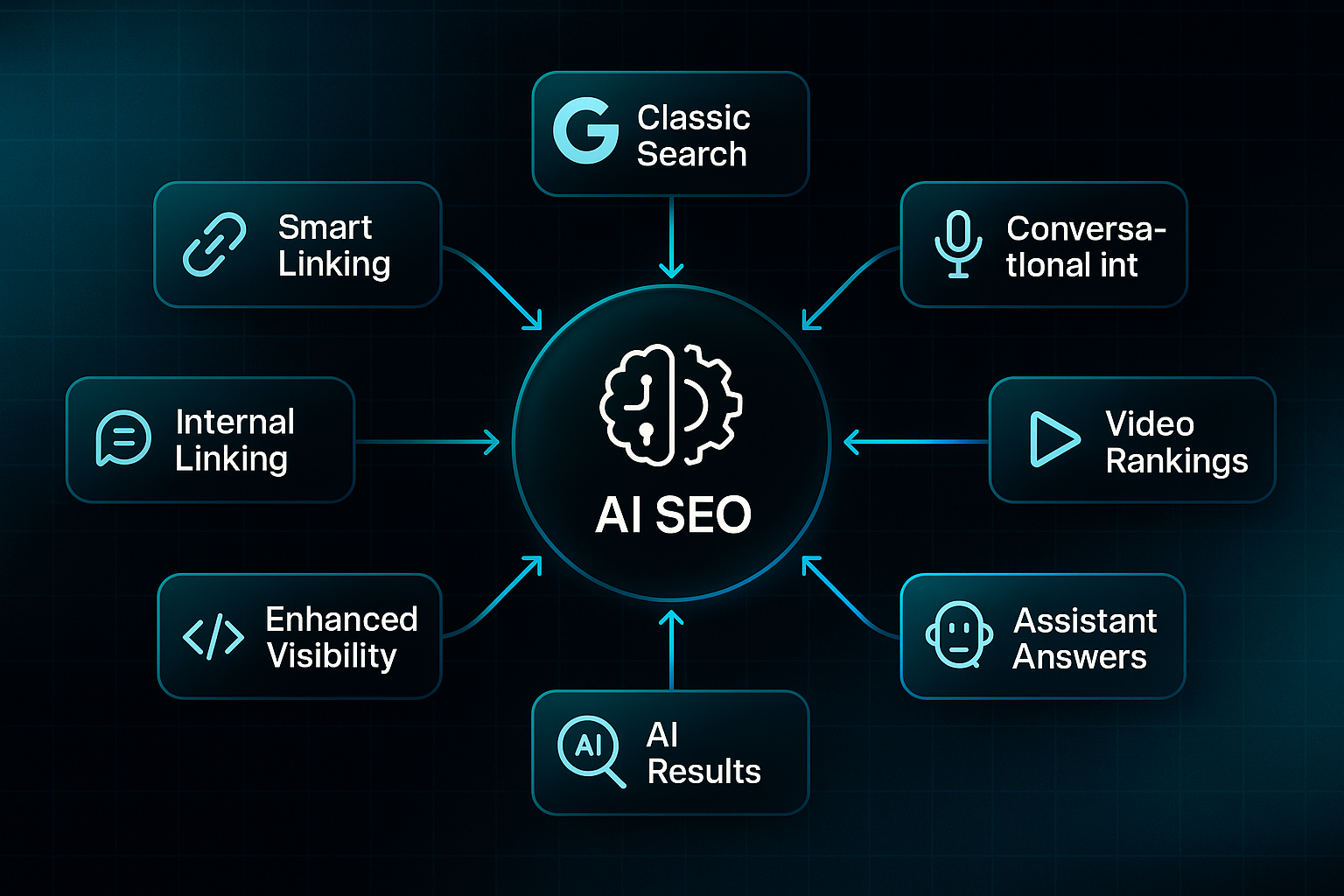
Take a look at platforms like Semrush AIO or SE Ranking’s AI Overview Tracker—brands now need visibility in AI-powered assistant answers and LLM results as search habits change fast.
How AI is reshaping SEO strategies
So what’s the actual impact? In a word: efficiency. Automating time-consuming jobs (keyword research, technical audits, reporting) saves teams a mountain of effort—30–50% time savings isn’t uncommon.
And here’s what stands out: tools such as MarketMuse and Clearscope don’t just churn out content, they improve quality. By scoring and analysing content semantically, they boost rankings and increase user engagement.
Implementing semantic SEO strategies offers multiple benefits, including longer user sessions, enhanced brand authority, expanded keyword rankings, and improved content quality.
Scalability is another big win. Agencies and enterprises pump out hundreds of optimised pages every month, maintaining quality that was never feasible manually. Plus, the best solutions update as search algorithms evolve, offer automated testing, predict keyword trends, monitor compliance, and “humanise” drafts so they read like expert writing.

Why choosing the right AI SEO software matters
Does the choice really matter? Absolutely. The right tool strengthens your workflow, accelerates progress, and ensures scalability—so teams can focus on strategy instead of busywork.
The right AI tools empower marketing teams to take back their market position by providing actionable insights to identify traffic-stealing competitors, find untapped opportunities, and create outperforming content.
Pick wrong, and you’re juggling awkward integrations, wasted features, mediocre content, and rising costs without results. Getting buy-in and updating your team’s process is vital.
With AI-driven search and user habits shifting all the time, choosing the right AI SEO solution is the key to staying visible and competitive.
Key criteria for choosing AI SEO software
Feature breadth and workflow fit
The right AI SEO software isn’t about having the most features—it’s about fitting in with the way your team tackles SEO every day.
- SEO task coverage
Prioritise essentials like keyword research, content creation, technical audits, link building, and SERP tracking. - Full workflow
Go for platforms that support everything from planning and execution to ongoing monitoring and reporting. - Team adaptability
Tools should offer flexible user roles and adapt seamlessly to agency or enterprise setups.
AI transparency and technology depth
Here’s the critical question: does it actually use real AI, or just slap the label on basic automation?
- Genuine AI use
Seek software powered by real machine learning or NLP, not just simple rules. - Model transparency
Platforms should clarify how recommendations are delivered—not just spit out a result with zero context. - Data handling
Choose providers upfront about GDPR compliance, data storage, and whether your data is used to train models.
Content quality and output control
Outstanding content always wins, so you need software that delivers on expertise, authority, and trust.
- EEAT optimisation
Tools should naturally strengthen these core factors in each output. - Quality checks
Built-in plagiarism and tone controls help keep content accurate, safe, and aligned. - Approval control
Editor review ensures oversight before anything gets published.
Pricing and scalability
Surprise bills and restrictive plans will just slow your growth.
- Transparent costs
Check carefully for trials, tiers, and hidden usage fees. - Cost-effective scaling
Choose pricing that flexes with your needs—SEOSwarm outperforms legacy agencies for scale and value.
Integration, support, and usability
Seamless onboarding and compatibility make all the difference.
- Integration capabilities
Confirm it works with your CMS, analytics, and marketing tools. - User experience
Clear dashboards and onboarding should let anyone get started fast.
Keep these criteria close at hand. The right AI SEO platform will evolve with your team, boost results, and build trust as search keeps changing.

AI-Powered
SEO Content Strategy
See the AI platform that's replacing entire content teams
(with better results).

Quick comparison: Top 10 AI SEO software tools at a glance
Here’s where things get much easier—a single table that neatly lays out the key decision factors we’ve covered so far. With a side-by-side glance, you can instantly scan the top AI SEO software solutions, skipping the endless research spiral.
The table summarises each tool by its biggest strengths: is it an all-in-one platform, or focused on a specific SEO task? It highlights core AI features, pricing approach, who each platform suits best, and gives an honest take on major pros and cons.
Here’s how to use it: filter out anything that obviously doesn’t match your team’s workflow, budget, or technical expectations. Those practical hurdles—like if you need lots of hands-off automation or bulk content support—should narrow your shortlist immediately.
The table columns: Software Name, Function/Fit, Key AI Features, Pricing Model, Ideal User, Main Pros, and Main Cons. The next sections will break these platforms down in far more detail, so you’ll have every insight needed for a confident decision.
1. SEOSwarm
Overview and key differentiators
SEOSwarm isn’t your run-of-the-mill SEO tool. Instead, it’s a fully managed AI SEO service, where agency pros and clever AI handle everything for you.
Source: seoswarm.ai
After your initial strategy is set, SEOSwarm’s team steps in—taking care of research, content, technical SEO, publishing, and analytics. For brands seeking high-quality, hands-off SEO, this approach is a big shift away from constant admin or tool-juggling.
AI-powered SEO unlocks significant speed and efficiency by automating complex processes like data analysis and content creation, freeing up resources for high-level strategy.
You won’t find dashboards here. SEOSwarm removes the DIY hassle—you just work with their team and watch your rankings grow.
- Agency-led, not SaaS
Experts do the SEO work; your main contact is the agency. - End-to-end managed workflow
From first research to performance updates. - AI and expert oversight
AI automates tasks; specialists fine-tune for quality and brand alignment.
Main features and unique functionalities
SEOSwarm automates core SEO tasks—keyword research, content, technical checks, internal links, and schema—then hands everything to experts to review for EEAT and brand fit.
So every page is on-brand, purposeful, and updated over time—without you hunting in analytics dashboards or spreadsheets.
- Automated content and publishing
Full-cycle, done-for-you creation and launch. - On-page optimisation
Automatic schema, links, media, and CTAs with every article. - Agency-managed analytics
Performance insights are delivered, so you skip data overload. - Cost and scale advantage
Large-scale output, priced well below normal agency retainers.
Blog-in-one-minute integration: unique value
Now for a standout extra: Blog-in-one-minute. Imagine launching a fully optimised, hosted blog with two lines of code. This add-on subscription is perfect for rapidly rolling out campaigns or new sites.
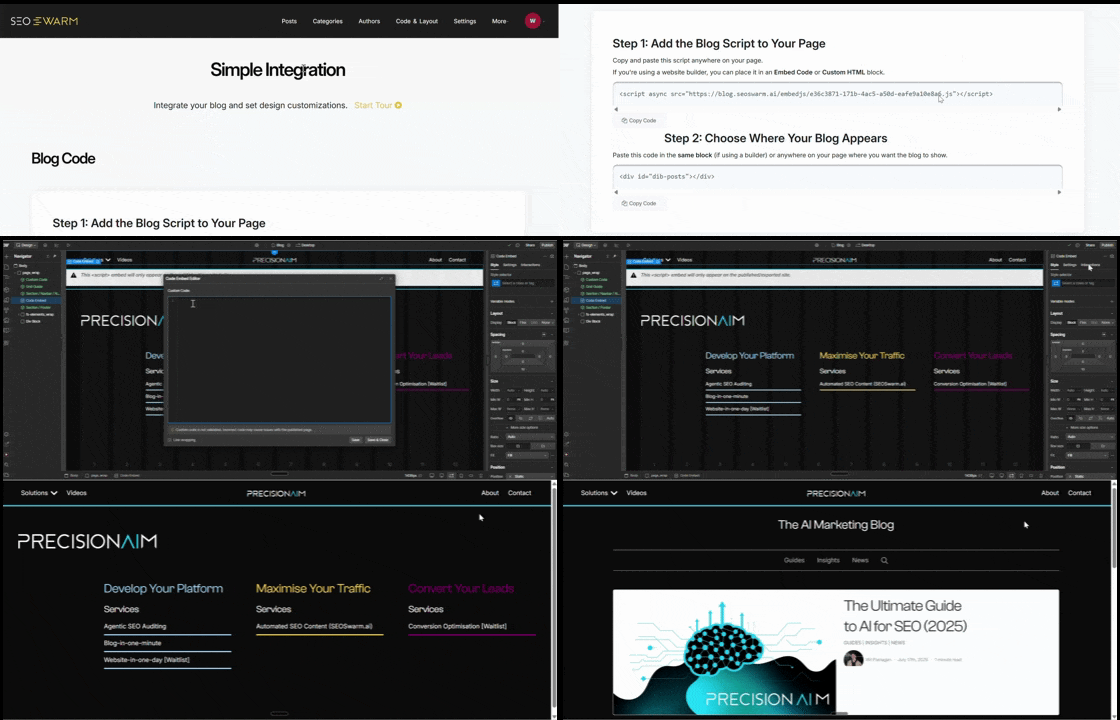
With instant schema, Cloudflare hosting, and a built-in editor, launch is genuinely fast—no plugin tangles or technical roadblocks.

- Instant blog with schema
Get a search-ready, hosted blog straight away. - Separate subscription model
Add if needed, cost is always transparent.
Blog-in-one-minute
Add a fully SEO-optimised blog to your website with just 2 lines of code.
Learn more
Pricing structure and value proposition
SEOSwarm offers agency-style pricing—so you pay for the end result and management, not for software seats. That gives you scalable, enterprise-grade SEO at a much lower cost.
Blog-in-one-minute is a distinct fee, so you only pay for it when you want extra speed and deployment flexibility.
- Managed service pricing
Get expert, scalable SEO—cheaper than classic agency contracts. - Add-on pricing for Blog-in-one-minute
You pay just if you need fast blog deployment.
Ideal use cases and target users
SEOSwarm is for agencies, brands, and franchises needing scalable, professional SEO—imagine a healthcare company running 100+ regional sites without in-house headaches.
Love dashboards or want full tactical control? This isn’t for you. It’s built for a managed, hands-off experience.
- Best for scalable, managed SEO
Franchises, agencies, big brands who want effortless optimisation. - Not suitable for DIY platforms
No dashboards—results are fully managed.
Pros and cons
- Strengths
Consistent, expert-reviewed output, rapid scaling, and excellent value for big projects. - Limitations
No user dashboards or real-time granular control—better suited to hands-off teams.
2. Surfer SEO
Platform overview and purpose
Surfer SEO turns on-page SEO and content optimisation into a genuinely collaborative, cloud-based process. Forget about version confusion and clunky handovers—your whole team works together in one live space.

Source: surferseo.com
This centralised approach makes scattered reviews and last-minute corrections a thing of the past. Whether you’re producing a single article or coordinating a distributed team, real-time feedback means smoother launches and fewer headaches.
- Cloud SaaS platform
Real-time collaboration, wherever you are. - For distributed teams
One version, zero file chaos. - Live review
Issues spotted early, less back-and-forth.
Key AI-powered features
Surfer’s AI is your SERP-savvy teammate—analysing competitors while you draft. The SERP Analyzer uncovers what works on top-ranking pages: structure, headings, keywords, and more. Its live scoring flags keyword gaps or risky repetition as you go.

Surfer SEO SERP Analyzer How-to | Complete Surfer Tutorial (Part 2)
Thanks to NLP, you get intelligent keyword ideas—rooted in actual topics and context, not just isolated terms. On-page audits compare your draft to the current best, helping you skip guesswork.
You can plug Surfer into Google Docs, WordPress, or Jasper AI for seamless content creation, quick feedback, and efficient approvals.
- SERP Analyzer
Breaks down what gets results. - Live scoring
Flags content problems instantly. - NLP suggestions
Generates advanced topics and keywords. - On-page audits
Benchmarks you against the leaders. - Integrations
Works where you do. - Automation
Tracks changes, polishes drafts.
Pricing, plans, and best-fit users
Surfer SEO’s plans flex to your needs—Essential for basics, Scale for teams, Enterprise for agencies. Rank tracking is a paid add-on, and free trial promos appear now and then.
- Essential plan
Affordable starter. - Scale
For bigger teams. - Enterprise
Built for agencies. - Rank Tracker add-on
Upgrade for keyword tracking. - Trial offers
Sometimes available.
Who Surfer SEO is best for
Content teams, agencies, freelancers, and small businesses all benefit from fast, AI-backed optimisation. Multi-person projects enjoy smooth collaboration and quick approvals.
- Content teams
Rapid, data-driven improvements. - Agencies
Manage multiple clients easily. - Freelancers/small businesses
Serious optimisation, sensible cost. - Multi-person projects
Feedback and edits made simple.
Surfer’s real strength is actionable insight and speed. While it focuses on content, not full-site technical SEO, it shines with skilled human oversight.
- Strengths
Instant feedback, deep analytics, seamless integration. - Limitations
Not a technical SEO suite; best paired with an editor’s expertise.
3. Jasper (formerly Jarvis)
Purpose and AI-driven content focus
Jasper is built for teams needing fast, on-brand content—even when scaling up. Its trick is drawing from multiple AI engines—like GPT-4, Anthropic, and Vertex AI—so you’re never stuck with bland, repetitive results.
Lock in your tone, style, and vocabulary with Brand Voice. For agencies and marketing teams with several brands or lots of writers, this keeps messaging tight and consistent, even on a deadline.
- AI-powered content
Rapid, reliable copy for blogs, campaigns, and more. - Multi-model flexibility
Choose the AI engine that fits each job. - Brand control
Consistency, even for large teams. - Ready for scale
High output handled with ease.
Major features and SEO integration
Choose from 50+ templates—blog posts, ads, newsletters, product descriptions. SEO assist keeps drafts optimised using prompts and keywords. And if you want to challenge the competition, Surfer SEO integration gives live SERP benchmarking and practical insights.

Source: jasper.ai
Everyone drafts, edits, and approves in one place—so feedback never becomes a bottleneck.
- Content templates
50+ frameworks for every kind of copy. - Style guides
Steer tone and language for each brand. - Collaboration
Real-time, seamless teamwork. - SEO assist
Built-in prompts help you rank. - Surfer integration
Competitive analysis, right there.
Pricing structure
Jasper starts at $59/user/month for core content creation and collaboration. Higher plans unlock unlimited content and more automation—built for agencies or organisations with big ambitions. No ongoing free plan, but keep an eye out for trials and yearly discounts.
- $59/user/month base
Essentials for writing and teamwork. - Upgrades available
Advanced scale and automations. - No permanent free tier
Trials may pop up. - Annual savings
Big teams save more.
Best-fit user profiles
Jasper suits agencies, marketing teams, and organisations handling multiple brands or heavy content loads. It’s also great for e-commerce, distributed teams, or anyone needing rapid deployment. Need technical SEO? Pair with a specialist tool.
- Agencies/marketers
Fast, polished, on-message output. - Creators
Efficient pro copy. - Enterprises
Controls voice across brands. - Technical SEO users
Add-ons for thorough audits.
Pros and cons
- Pros
Consistent, speedy branded content and seamless teamwork. - Cons
Limited technical SEO; higher cost for smaller teams.
4. Writesonic
Platform summary and value proposition
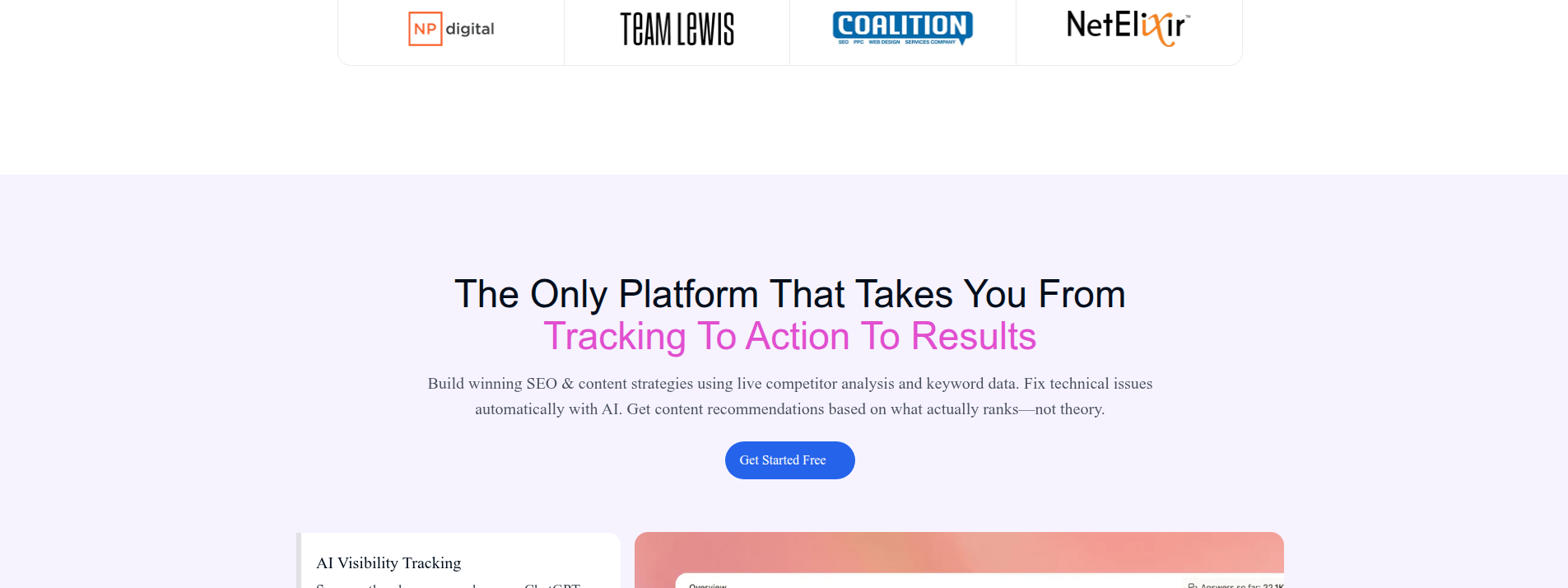
Writesonic is the all-in-one AI content and SEO platform for anyone needing speed and quality at scale. Whether it’s blogs, product pages, or ad copy, it’s built to move you from idea to finished piece—without bottlenecks.
Source: writesonic.com
You run everything in one central workspace, with briefing, drafting, and review all streamlined. Teams see the difference right away: AdMedia cut content lead time by 40% after switching, and many SMBs call it a “force multiplier” for lean teams.
- All-in-one content and SEO automation
Rapid, optimised creation for web, social, and ads at volume—quality remains high. - Workflow streamlining and collaboration
Brief, draft, review, and publish in one place, with real-time teamwork tools. - Target users and use cases
Perfect for agencies, marketing teams, or small businesses ready to automate content and SEO.
Key features for SEO
Writesonic bakes in SEO from the get-go, automating jobs that can grind hours away.
- AI SEO Writer
Auto-generates full-length, keyword-optimised articles based on latest SERP and competitor analysis. - Meta/title automation
Crafts titles and descriptions that match your SEO goals. - Content scoring and bulk creation
Compares outputs to competitors, and lets you spin up articles for campaign sprints. - Integrations
Works with WordPress (one-click publishing), Google Analytics, Semrush, Surfer, and Zapier.
Pricing models and free/premium distinctions
You can try before you commit, and grow only as much as you need.
- Free tier and entry-level plans
Includes basic words, templates, and a test drive of SEO features—no card needed. - Scaling up: premium features and word counts
Unlocks bulk creation, advanced content scoring, and up to 300,000 words/month. - Cost-effectiveness for growth
Pricing flexes, so small teams experiment easily, while agencies keep costs under control.
Who should use Writesonic?
- Ideal user groups
Marketers, agencies, SMBs, and solo creators needing SEO-aligned content at volume. - Real-world use cases
AdMedia launched five products in a quarter; a bakery tripled local traffic after leaving manual drafting behind. - Stack integration benefits
Slots neatly into common toolsets like WordPress and Google Analytics.
Pros and cons
- Pros
Fast, affordable, and varied output; sharp SEO targeting; keeps your brand voice consistent. - Cons
Not ideal for deep technical SEO or big site audits; some AI output needs human refinement; workspace basic for large teams.
5. Alli AI
Overview and specialisation
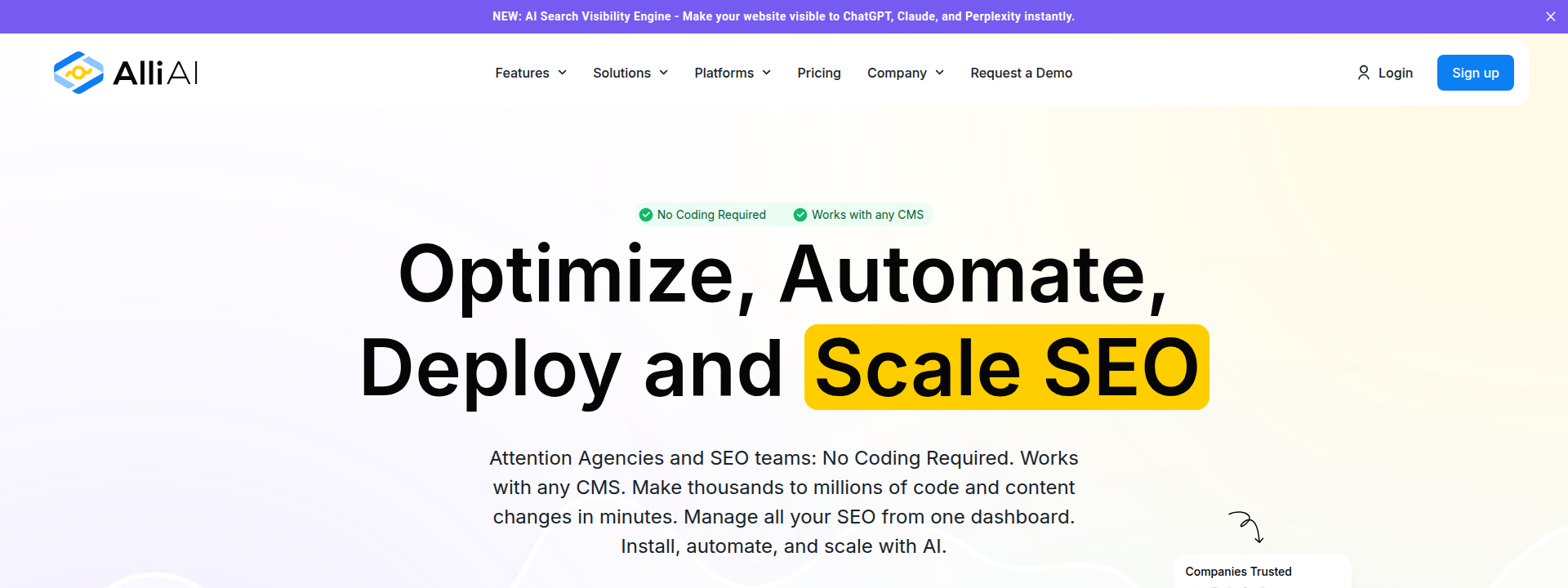
Ever get stuck waiting on developers just to push critical SEO tweaks? Alli AI was built to break that block. Its core focus is technical SEO automation for agencies and multi-site operators who want true control.
Source: alliai.com
With just a single JavaScript snippet, you can push live SEO changes instantly across WordPress, Shopify, Wix—whatever CMS you use. No more bottlenecks. Suddenly, optimising hundreds of pages at once, with zero coding, feels effortless.
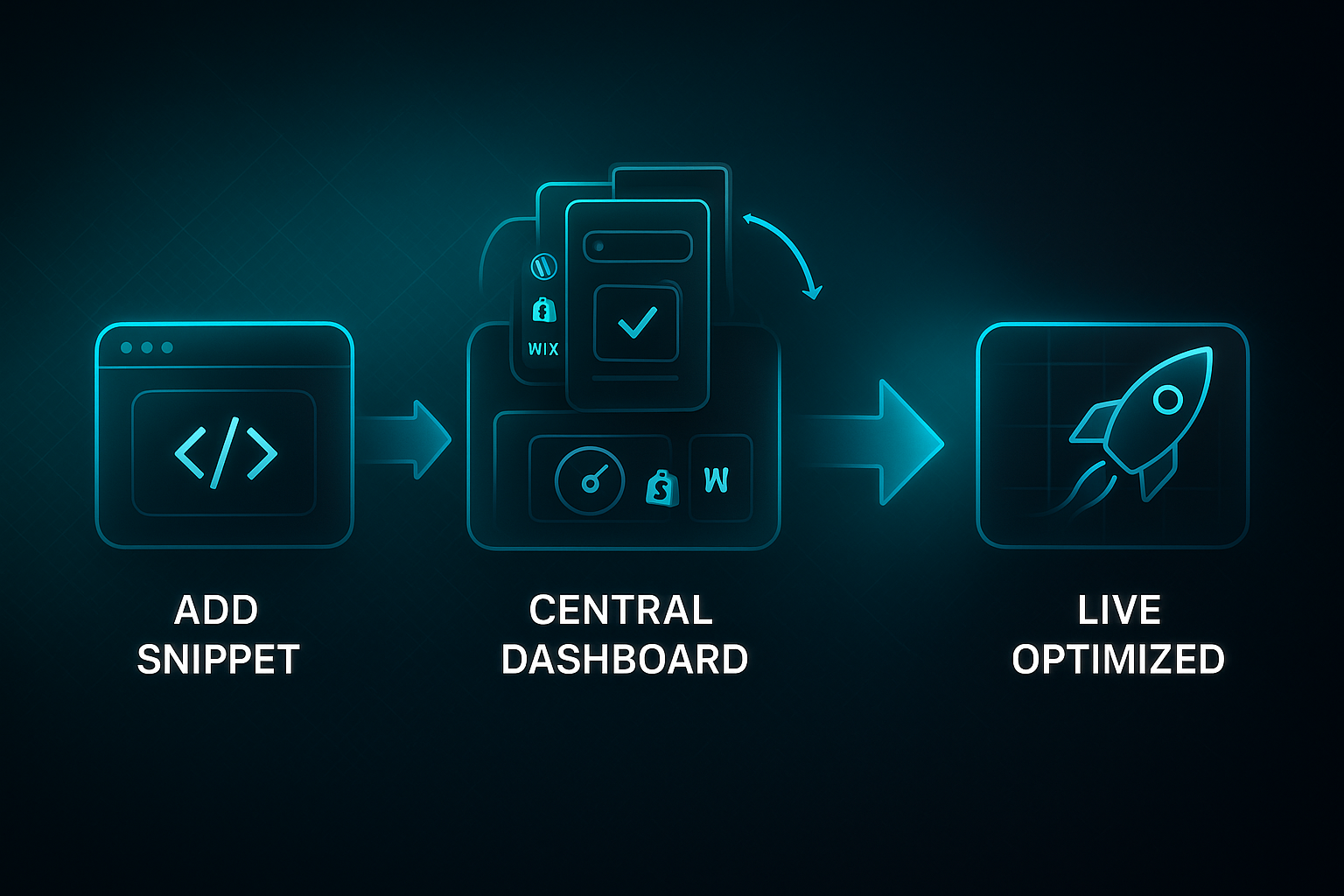
For brands or agencies managing endless sites, this brings centralised, real-time power you just can’t get with manual workflows.
Key AI-enabled features
Alli AI’s toolset is all about fixing the slow bits:
- Live Editor
Launch SEO fixes across unlimited pages in an instant. - Bulk actions for sitewide updates
Make universal changes to meta, headings, schema—no repeats needed. - A/B testing capabilities
Test versions, roll out what really works. - Internal linking AI
Suggest and add smart links at scale, boosting site strength. - Schema markup generator
AI preps your site for SEO-rich results. - Site speed optimisation
Keeps user experience fast, automatically. - No-code deployment
Even non-technical staff can make sitewide changes.
Pricing structure and upgrade options
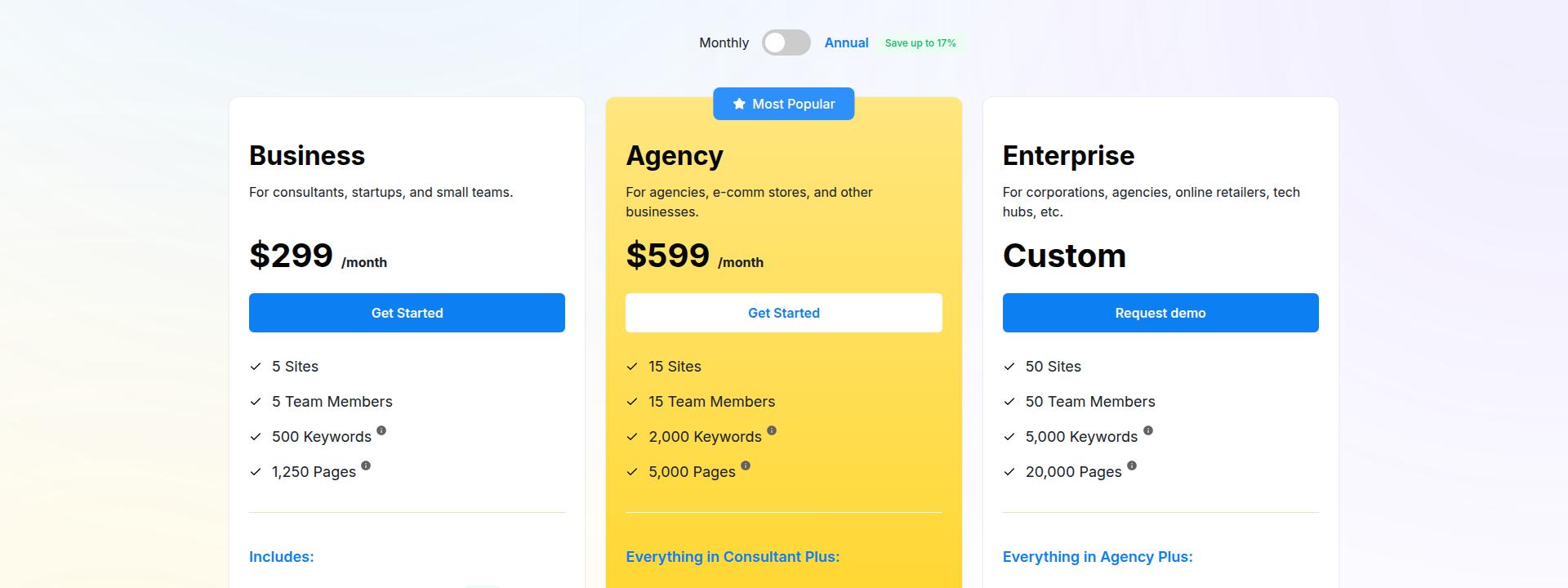
It’s refreshingly clear-cut: Small Biz (£169/month) covers a single site, 100 keywords, while Enterprise (£1,249/month) scales to 50 sites and 5,000 keywords. Each plan gives you a 10-day trial to test things out.
Source: alliai.com
Here’s the catch—cancel your plan and optimisations revert. For lasting gains, subscription is key.
Use cases and best-fit users
Alli AI shines for agencies, e-commerce brands, and enterprises with sprawling portfolios begging for efficiency—especially those juggling product catalogues or multiple client sites.
- Agencies/multi-site
One platform, instant management for every property. - E-commerce brands
Optimise giant catalogues swiftly. - Enterprises
Centrally orchestrate cross-platform SEO. - Consultants
Automate technical fixes for all clients.
Pros and cons
- Pros
Rapid, scalable technical SEO; works with any CMS; non-technical access; made for big web portfolios. - Cons
No content creation; focused on larger teams; revert on cancellation.
6. GrowthBar
Main purpose and platform scope
GrowthBar makes SEO blog creation simple and fast, with no technical background required. Its streamlined dashboard gets you from idea to published post with minimal fuss.
- Core mission
Rapid blog building for every skill level. - Primary workflow
One seamless process—ideas, writing, SEO, competitor research. - Targeted users
Optimised for solo founders, freelancers, small teams, and startups needing speed.
AI features and workflow tools
Type in a keyword, and GrowthBar’s AI quickly creates a ready-structured, SEO-focused blog. The 2-Minute Blog Builder produces a full draft with headings, meta, and links. Built-in tips, keyword prompts, and competitor gap detection support each step. Brand voice customisation keeps content consistent, and higher plans unlock team collaboration.
- AI-powered blog creation
Turns keywords into publishable posts instantly. - 2-Minute Blog Builder
Delivers drafts, meta, and structure in minutes. - On-page optimisation guidance
Get instant suggestions for headings and links. - Real-time keyword/competitor analysis
Finds ranking chances and content gaps. - Brand voice customisation
Ensures style stays consistent.
Pricing and access
The Standard plan costs $29/month (annual) for two users, unlimited keyword research, and 25 outlines monthly. Pro ($79/month) and Agency add users and sites. All plans have a 5–7 day free trial. Every feature is included from the start, with higher tiers increasing limits.
- Subscription plans
From $29/month, expanding with upgrades. - Free trial
Try every feature for 5–7 days. - Feature availability
Essentials included in all plans.
Best-fit scenarios
GrowthBar stands out for startups, founders, and agencies needing quick, well-optimised blogs—no technical team required. You get content out fast, from idea to live.
- Startups/small teams
Launch SEO blogs and campaigns rapidly. - Freelancers/solo founders
Manage content alone. - Content agencies
Deliver projects at scale.
Pros and cons
GrowthBar excels at speed, simplicity, and the SEO basics. However, for deep audits or advanced analytics, additional tools are needed.
- Pros
User-friendly, fast, affordable, ideal for core SEO. - Cons
Lacks advanced audits and backlink features.
7. NeuronWriter
Platform focus and unique approach
NeuronWriter isn’t your average SEO tool—it zeroes in on Google-aligned, semantic content instead of just chasing keywords. By analysing top SERP results for intent, context, and how topics connect, you’re guided to shape in-depth, comprehensive content with real topical authority.

Source: neuronwriter.com
If you’re after sustainable SEO improvement—not just a quick rankings spike—NeuronWriter’s approach is built for the long haul.
Core AI-driven features
So, what’s at the core of NeuronWriter? You get a SERP analyser revealing competitor strengths, a smart content gap finder, and an AI draft builder powered by GPT-4 for speedy, quality first drafts.
Real-time keyword suggestions keep your content optimised as you write. The platform also makes team collaboration smooth, with internal linking recommendations and classic integrations—WordPress, Google Search Console, and plagiarism checks—easing every workflow, solo or team-based.

Pricing models and lifetime offer
NeuronWriter goes beyond basic monthly or annual subscriptions—it offers a direct lifetime licence (never via AppSumo). Plans range from Bronze for solo use all the way to Diamond for agencies, scaling AI credits, projects, and features as your needs grow.

Source: neuronwriter.com
A lifetime deal guarantees you ongoing updates and support, with no surprise costs—valuable for agencies aiming to escape infinite subscription fees.
Use cases and who benefits most
Agencies with multiple sites, bloggers focused on topical depth, and in-house teams managing complex campaigns will all see real benefits. Have goals like multi-language content, niche authority blogs, or multi-person editorial sign-off? NeuronWriter is made for content-driven optimisation, not technical site automation.
Pros and cons
- Pros
Rich semantic analysis, actionable competitor research, affordable team plans, robust collaboration, and sustainable SEO results. - Cons
No technical SEO automation; top features limited to higher plans; some learning curve for new users. - Best fit
For content-led teams prioritising authority and process, rather than technical automation.
8. Clearscope
Purpose and reputation
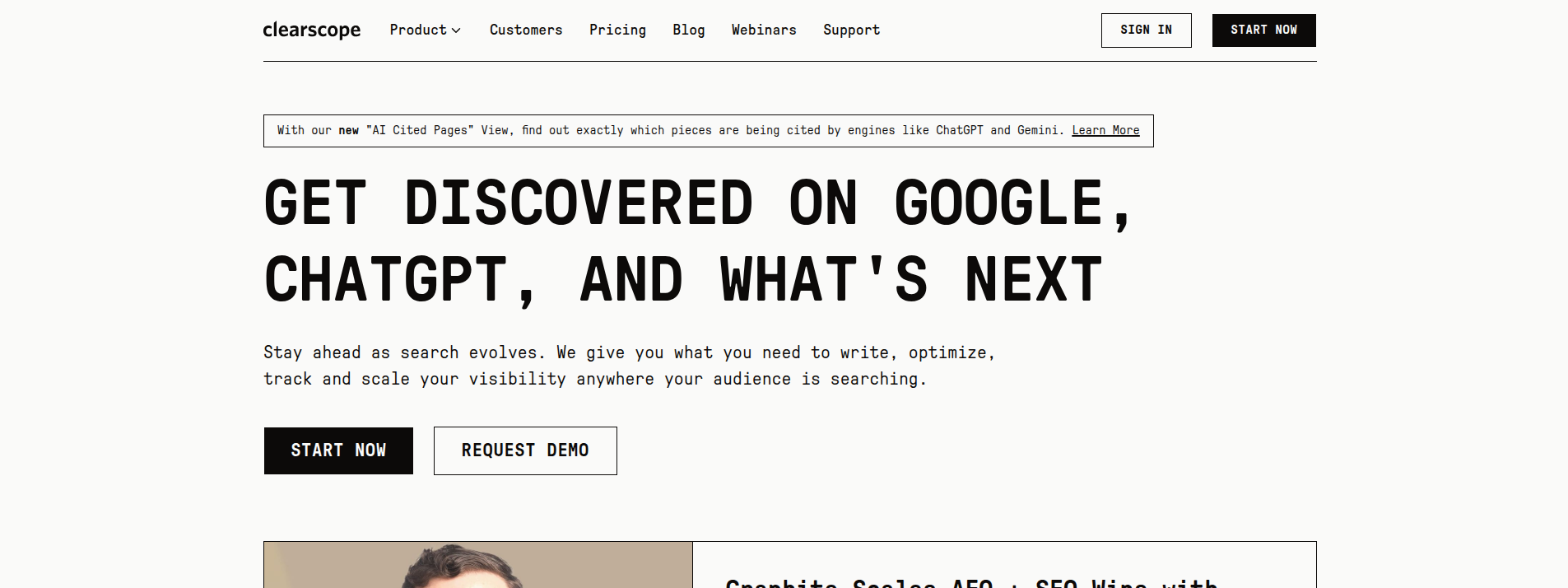
Clearscope is the go-to AI SEO platform for anyone demanding precision and editorial depth at scale. When editorial teams or agencies aim for serious quality and streamlined workflows, Clearscope often leads the conversation.
Source: clearscope.io
Why do publishing groups and SaaS brands favour it? Because it supports multi-brand strategies and drives intent-focused optimisation across large portfolios. It stands apart thanks to detailed semantic data grouping and a fierce commitment to editorial control—even tools like Surfer and MarketMuse can’t quite match its depth.
With Clearscope, teams trim revision cycles and boost organic visibility—all while keeping strict content standards.
Notable features and integrations
Its AI-powered content grading gives instant, actionable feedback. Keyword suggestions are based on competitor insights, covering every critical angle for your topic.
Prefer Google Docs or WordPress? Clearscope integrates natively, so you can optimise and collaborate right where you work. You also get enterprise must-haves like local SEO features and custom alerts, making it ideal for large or widely distributed teams.
Pricing tiers and market position
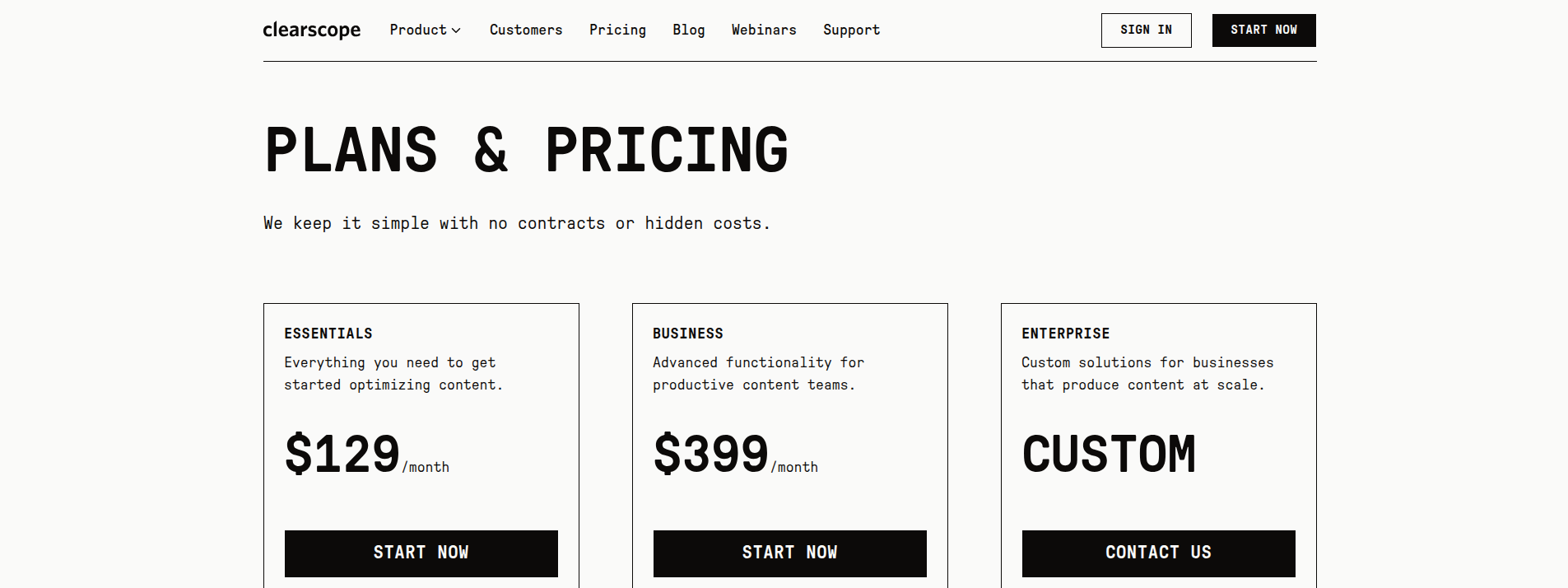
Clearscope is firmly a premium platform—Essentials starts at $170/month, Professional at $350, and Enterprise packages are tailored. There’s no free plan, making this less accessible for freelancers, but what you get is genuine top-tier editorial support and scalable content oversight.
Source: clearscope.io
Ideal users
It’s best for editorial teams, agencies, and enterprises needing advanced management of compliance-heavy or multi-region content. If a global publisher requires consistent, high-standard SEO, this is where Clearscope excels. When quality, scale, and control are all mission-critical, few match its capabilities.
Pros and cons
- Superior value at scale
Empowers content-rich organisations with intent-focused optimisation at workflow level. - Editorial workflow integration
Real-time grading, Google Docs/WordPress optimisation, advanced collaboration features. - Premium pricing
High ongoing cost; not suitable for most freelancers or early-stage businesses. - Learning curve
Advanced analytics and scoring require adaptation from new users.
9. INK for All
Product overview and core philosophy
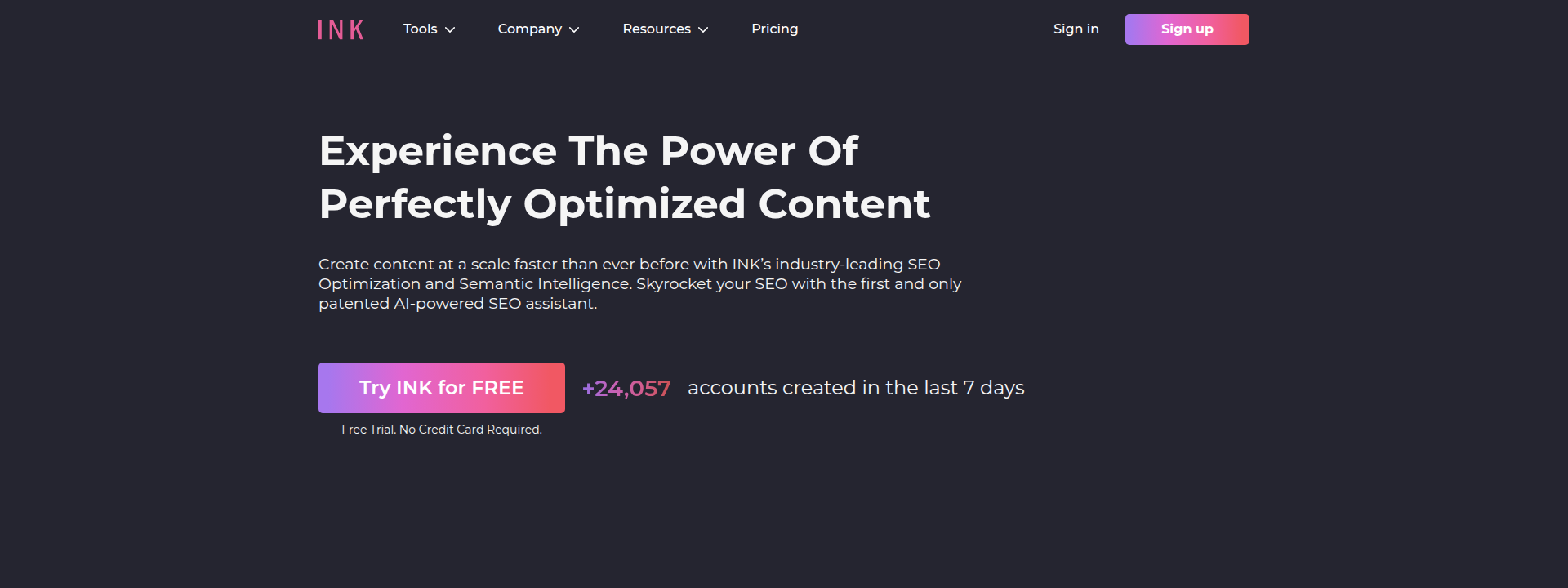
INK for All sets out to combine everything a modern content creator or small team might need into one seamless space. It’s not just about churning out words—here, you get AI writing, SEO scoring, topical suggestions, and editorial compliance all under one roof.
Source: inkforall.com
One of its main draws is the Content Shield, which tackles concerns about AI-generated content penalties. This ensures your pieces stay authentic and minimises those dreaded algorithmic dings, while you enjoy a smooth draft-to-publish workflow.
Key features
- AI-powered content and SEO
Automates writing, scoring, and keyword optimisation for stronger rankings. - Semantic keyword clustering
Expands topical depth with smart keyword and topic suggestions. - Plagiarism checks
Safeguards your SEO with reliable duplicate detection. - 130+ content templates
Templates for blogs, product pages, landings, and more. - Team workflow tracking
Dashboards manage performance, roles, and collaboration.
Pricing, plans, and free access
- Professional plan
$49/month for unlimited words, SEO tools, templates, and ongoing support. - Enterprise plan
$99/month adds multi-user management, in-depth workflow analytics, and priority support. - Free trial
Try INK for five days with up to 10,000 words—no ongoing free tier provided.
Suitability and limitations
- Best for
Content agencies and teams after efficient SEO-driven creation in a tidy platform. - Limitations
No technical audit tools, advanced backlink analysis, mobile app, or lasting free plan.
Pros and cons
- Strengths
Solid SEO scoring, plagiarism detection, rich templates, and strong workflow support. - Weaknesses
Lacks a mobile app, true real-time collaboration, or detailed technical SEO features.
So, if you want a platform that genuinely wraps content creation, optimisation, and process management into one, INK for All delivers.
Just keep in mind, it’s best when your focus is content—not when you need full-site technical depth. Ever found yourself longing for an all-in-one editor that “just works”? That’s pretty much what INK is aiming for.
10. Scalenut
Platform summary and differentiators
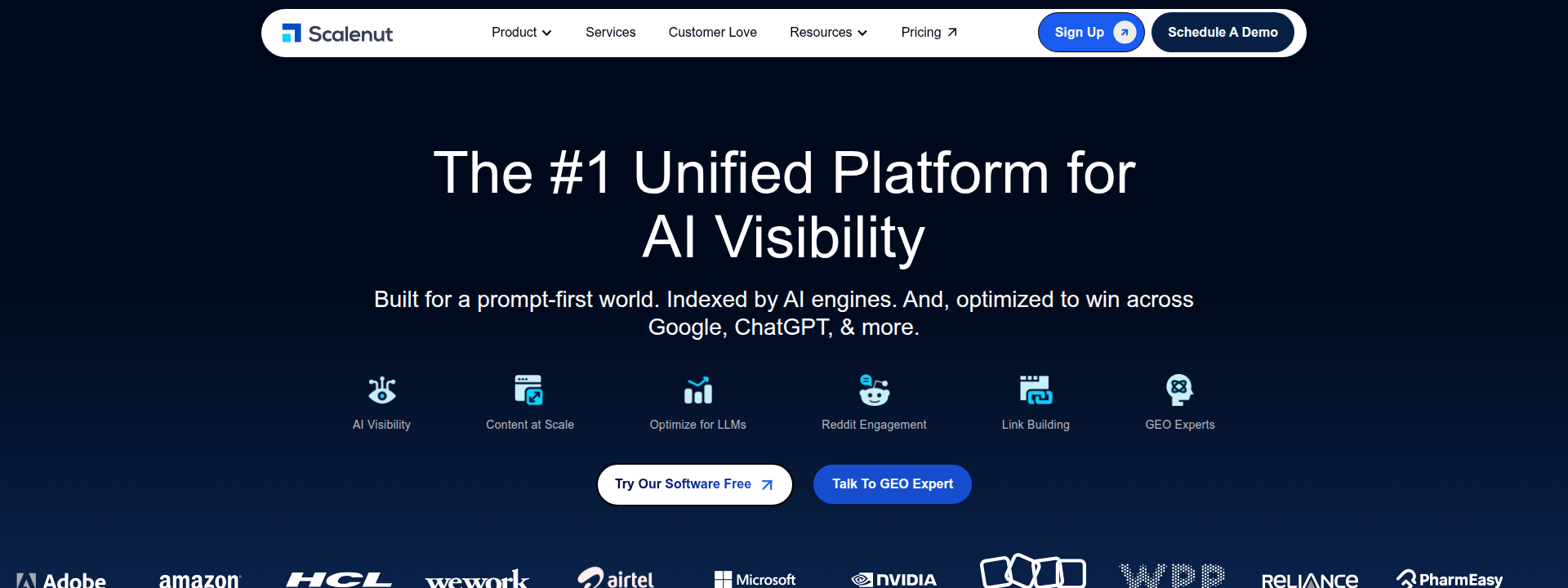
Scalenut brings the whole SEO workflow—keyword research, content creation, optimisation, and publishing—onto one AI-powered platform. Agencies, marketers, and SMBs enjoy collaboration, seamless WordPress and analytics integration, and built-in team approvals.
Source: scalenut.com
Tired of manual, repetitive steps? Scalenut’s unified automation means less hassle. Unlike GrowthBar or Surfer, it couples deep automation with workflow control in a single solution.
- AI-powered topic discovery
Instantly clusters keywords and builds outlines. - Automated optimisation
Live content scoring plus metadata tips. - Team workflow
Integrated role controls and approvals for agencies.
Main AI features
Ever wish a prompt could become a full, SEO-ready draft? That’s what Cruise Mode does, clustering keywords and scoring as you go. With 40+ templates for blogs, ads, and landing pages, scaling feels simple.
Automated SERP and EEAT checks keep every draft both relevant and authoritative.
- Cruise Mode
Transforms outlines into optimised drafts in minutes. - Keyword clusters
Help with topic authority and pillar content. - SEO scoring
Live feedback on structure and authority.
Pricing options and accessibility
There’s a free trial for basics. Essential (£39–£49/month) fits solo users; Growth (£79/month) serves teams; Pro (£149/month) gives unlimited collaboration, and Enterprise pricing is bespoke.

Source: scalenut.com
Against Clearscope or Surfer, Scalenut’s pricing is much more accessible and automation deeper.
- Free plan
Try out the core features. - Paid plans
Freelancers, agencies, teams—scale as you grow.
Ideal scenarios
Scalenut suits agencies, teams planning automated campaigns, and SMBs wanting results quickly—no specialist skills needed. It thrives for multi-site blog launches or big content projects.
- Agencies
Automate multi-client, high-volume SEO. - Content teams & SMBs
Go from brief to publish fast—no extra help needed.
Pros and cons
- Comprehensive workflow automation
End-to-end research through approvals. - Accessible innovation
Cruise Mode elevates anyone’s SEO writing. - Evolving feature set
Frequent updates mean flexibility is vital. - Competitive comparison
Cheaper and broader than Clearscope; automates more than Surfer, though Surfer excels for deep SERP audits.
Market trends and tips for choosing your AI SEO tool
Emerging innovations and future directions
AI SEO software is moving fast in 2024—so fast that brands are practically racing to keep up. What’s changed most? The rise of agent-based automation and seamless, direct integration into your everyday workflow.
New data reveals 17% of users save over 10 hours weekly through AI-driven strategies.
Tools like MarketMuse and ExplainX now use autonomous AI agents to handle core jobs—think keyword research, content gap analysis, and technical tweaks. Enterprise teams are trimming manual effort by up to 70%, freeing up time for real strategy. That means tasks that once ate entire days now take minutes.
The trend is crystal clear: automation works best when it’s frictionless. You’ll see platforms such as Surfer SEO and Frase offering plug-and-play integrations with WordPress and Contentful, so live optimisation happens right inside the CMS—no complicated exports or reimports. Transparency matters more than ever too; Clearscope’s line-by-line explanation for content scores and ExplainX’s “Audit Trail” feature help teams trust every AI-driven change.
Real-time insights are part of the picture as well. With Ahrefs now delivering live SERP volatility tracking and anomaly detection, it’s easier to react quickly to search shake-ups or competitor shifts.
When should you adopt AI SEO software?
But when is the right time to switch? The big red flag: when SEO tasks start dragging on, or Google’s AI-driven updates leave your team scrambling. After the May 2024 launch of AI Overviews, more publishers turned to automation—Forbes saw a 22% boost in snippets with MarketMuse, while Condé Nast shrank its review cycles by 35% via Clearscope’s transparency features.
If keeping up feels like a losing battle, it’s probably time to automate.
Transitioning from manual to automated SEO
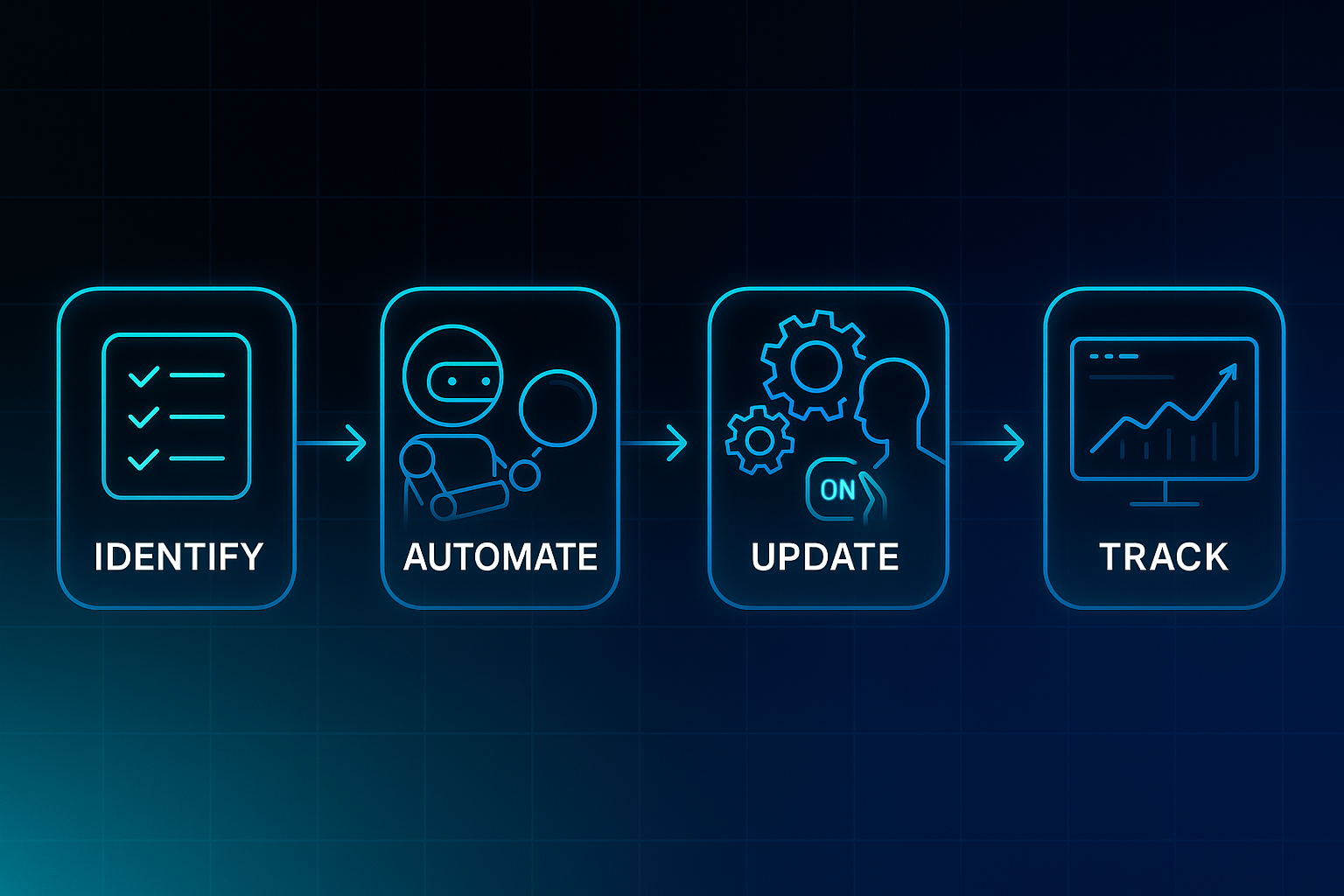
Don’t rush everything at once. Start with automating the easy wins—keyword research, content briefs—then layer in on-page and technical updates as your team gains confidence. Workshops and “human-in-the-loop” controls (like audit logs and easy overrides) help manage risk, while performance tracking ensures you don't lose momentum.
Key questions to ask before investing
- Full agent automation
Does it truly automate, or just monitor? - Plug-and-play integration
Can you install directly in your CMS? - Transparency
Is every suggestion clearly explained and logged? - Human review controls
Can you easily override or track changes? - Real-world results
Look for credible, brand-backed case studies showing real impact.
With these trends and checks in mind, you’ll spot the right fit—long before the next algorithm update sneaks in.
My Final Thoughts on the Best AI SEO Software
AI SEO software isn’t just a new tool—it’s a shift in how teams approach visibility, efficiency, and content quality. The best platforms don’t just automate—they adapt, learn, and fit seamlessly into your workflow, freeing your team to focus on strategy rather than repetitive tasks.
Here’s my advice: shortlist tools that match your real needs, not just the flashiest features. Start by automating the most time-consuming jobs—like keyword research or content briefs—then layer in technical and on-page automation as your confidence grows. Keep human oversight in the loop for quality and brand alignment.
The smartest SEO teams treat AI as a partner, not a replacement. As search evolves, your stack should too—choose software that grows with you, and you’ll stay ahead of every algorithm shift. In SEO, adaptability beats perfection every time.
- Wil