

Expanding a website across borders sounds exciting, but it’s rarely straightforward. I’ve seen companies stumble over language, regulations, and technical hurdles that don’t exist in single-country SEO.
If you’re wondering what makes international SEO so different, you’re not alone. Many teams underestimate the complexity until they hit issues with search engines, compliance, or localisation.
In this article, I’ll break down exactly what an international SEO consultant does—covering technical site structure, content localisation, and market-specific strategies. You’ll see how daily tasks, analytics, and project management all come together to keep global sites ranking and compliant.
By the end, you’ll know what skills to look for, what services to expect, and how to choose the right consultant for your business. Whether you’re planning a global rollout or troubleshooting an existing site, you’ll get practical steps and real-world examples to guide your next move.
What is an International SEO Consultant?
Understanding the Concept: Defining the International SEO Consultant
An international SEO consultant specialises in maximising website visibility for multiple countries, languages, and cultural contexts.
Where general SEO consultants home in on a single region, an international SEO expert handles search strategies and technical configurations that ensure a website’s global reach.
The core of their job involves navigating the complexities of international search engines such as Google, Baidu, or Yandex.
They must also grapple with how search intent shifts across borders, adapting site structure and content so that each audience finds the site relevant and accessible. It’s a bit like translating not just the words, but the meaning, for every new group of visitors.
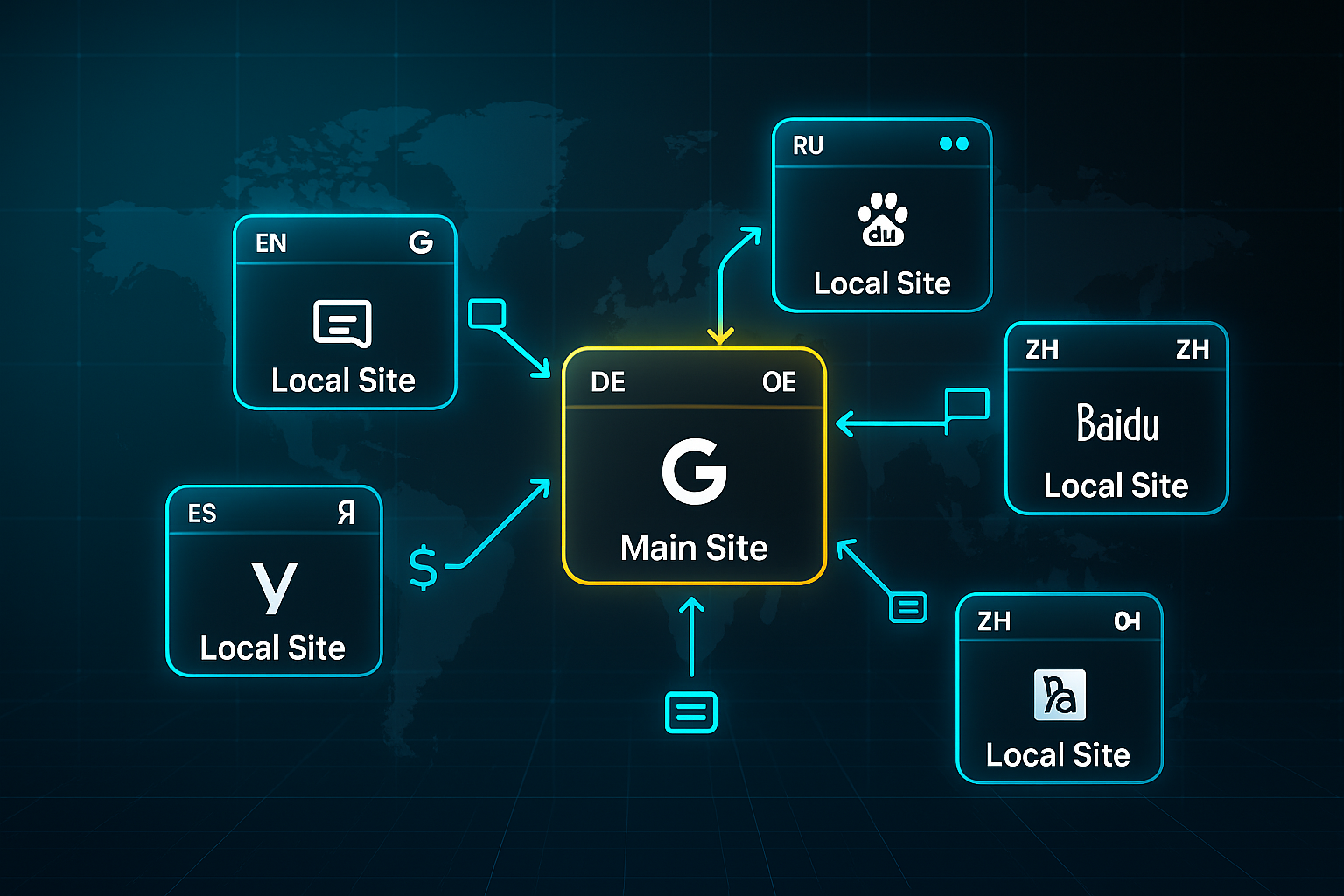
The Global Context: Why International SEO Expertise Exists
So, why does international SEO even need its own field? Simply put, cross-border ecommerce is booming. Statista expects sales in this area to grow 18.8% from 2023 to 2028, which outpaces domestic growth.
Companies expanding abroad quickly hit new hurdles. They’re not just swapping languages—they’re navigating local regulations, cultural expectations, and legal frameworks unique to each country.
The flow of digital commerce means these issues can’t be ignored. Organisations need people with expertise in local ranking factors, regulatory requirements such as GDPR, and rules that affect a site’s credibility and visibility worldwide.
The increasing complexity of global online retail demands a specialized approach, making dedicated international e-commerce SEO a cornerstone of any successful cross-border strategy for 2025.
Foundational Elements: What Makes International SEO Consulting Unique
- Technical Infrastructure
Crafting site structures—using domains, subdirectories, and hreflang tags—ensures content displays correctly for each language and region. - Content Localisation
Content isn’t only translated; it’s adapted to capture meaning and relevance for every target market. - Market-Specific Strategy
This involves custom keyword research and unique SEO tactics that match local search habits and competition.
However, none of these areas is static. Each needs constant attention as markets evolve and trends shift.
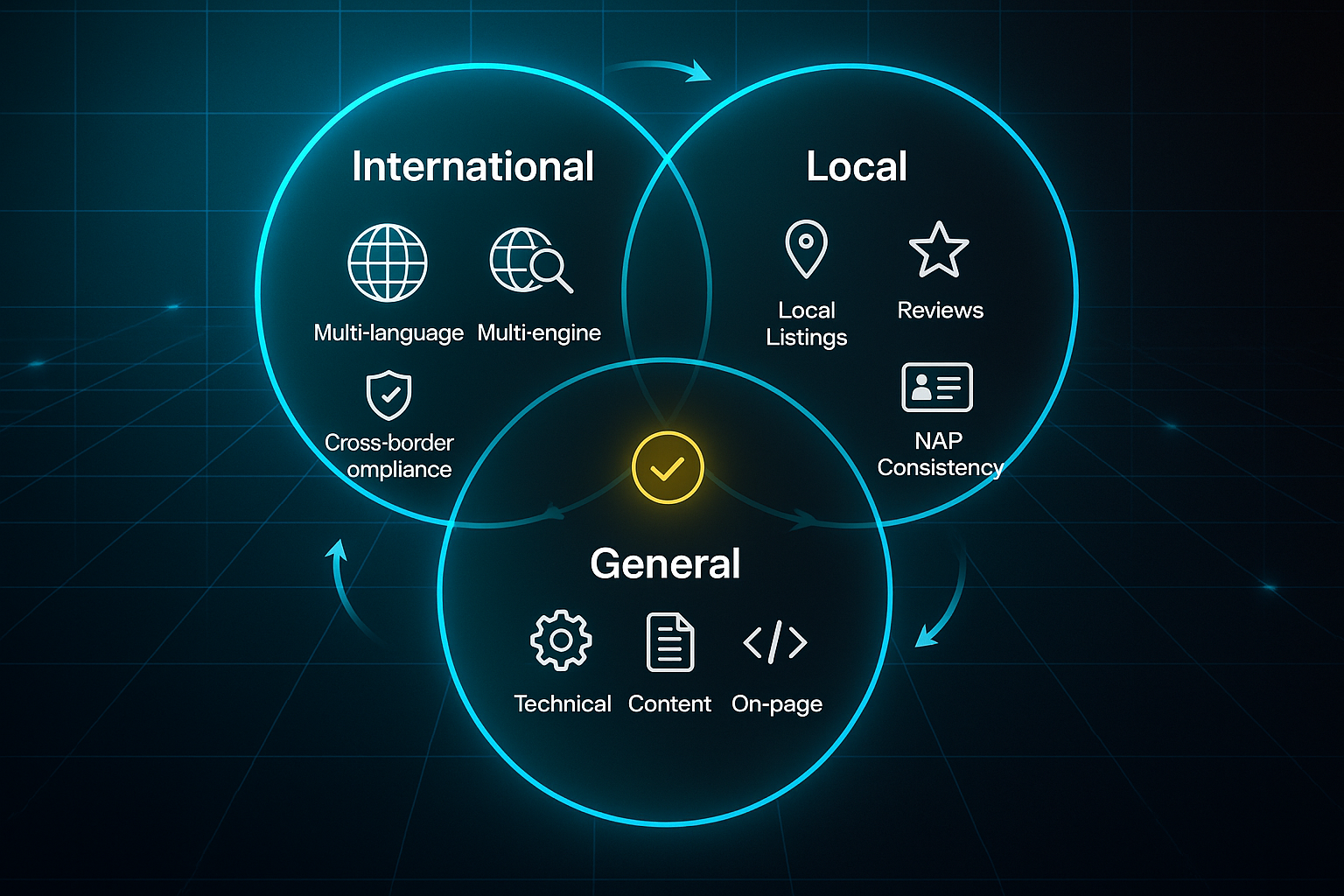
Key Distinctions: How International SEO Differs from General or Local SEO
The standout difference? International SEO juggles multi-language content, a mix of search engines, and rules that change with every border crossed. Assuming “one size fits all” rarely works—each new region creates fresh challenges, both technical and cultural.
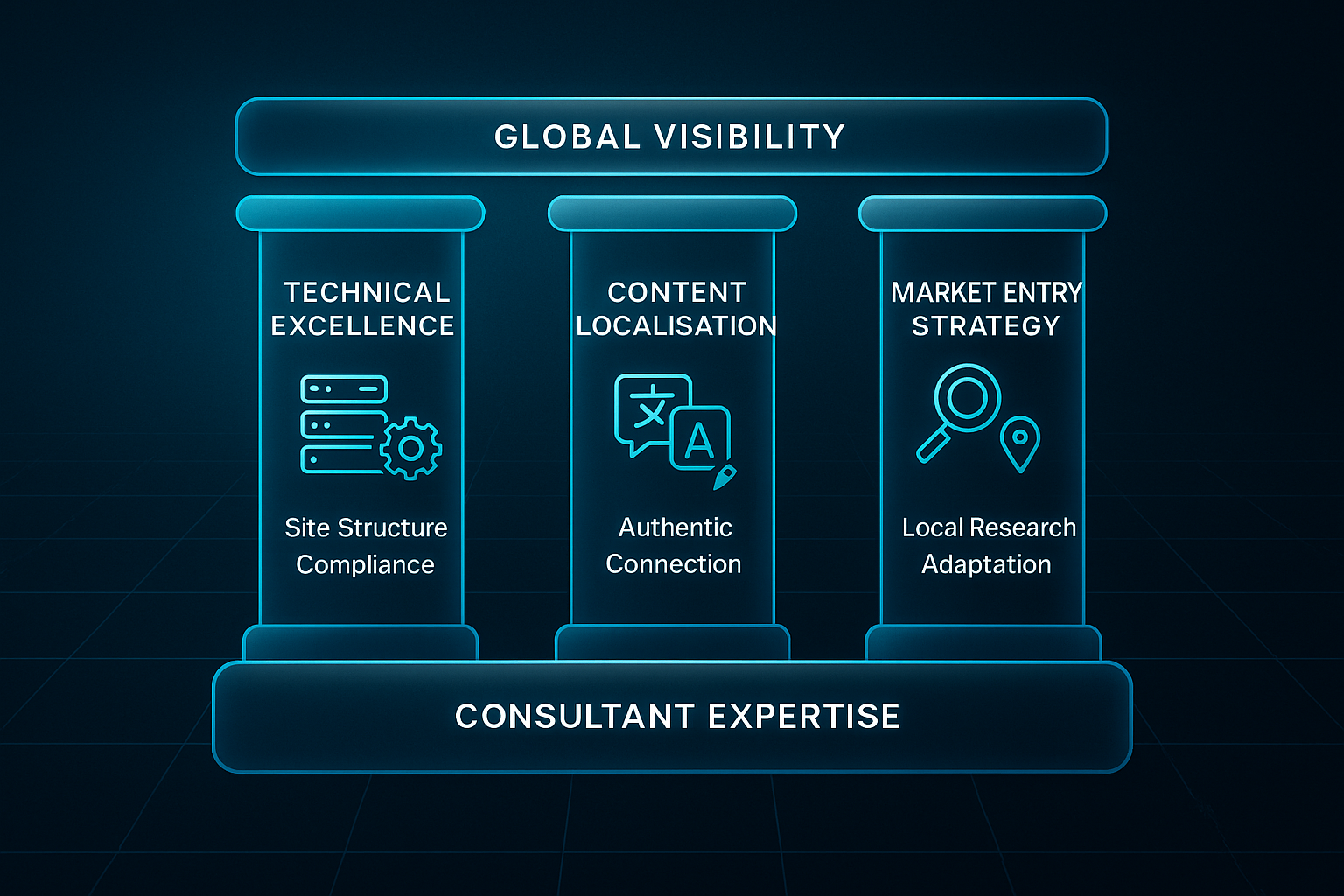
Framework for Understanding: The Three Pillars Model
All of this comes together in the “three pillars” model. Think Technical Excellence (site structure and compliance), Content Localisation (connecting authentically), and Market Entry Strategy (local research and adaptation).
These are the foundations for everything a consultant does. You might wonder why so much emphasis is placed on structure and adaptation—it’s because without these, the process falls apart.
And once you see these pillars in action, it starts to make sense why international SEO is such a specialised and constantly evolving discipline.
Core Responsibilities and Daily Activities of an International SEO Consultant
Mapping SEO for Each Country and Language
International SEO consultants start each day deep in keyword research, finely tailored to every market and language. They use SEMrush for multi-language exploration and Ahrefs to double-check if the local search intent and volume match what native speakers truly type.
A consultant planning a campaign in Spain isn’t just going for literal translation—they study colloquial speech and compare it with formal terms to make sure local users actually search that way.
The accuracy check goes on: Google Trends reveals how intent shifts by country, while running test queries in local SERPs (Search Engine Results Pages) makes sure awkward phrasings or cultural mismatches don’t slip through.
Directly translating keywords is a common pitfall in international SEO. This approach fails to account for local dialects, cultural nuances, and varying search intent, leading to missed opportunities and irrelevant traffic.
Technical SEO Operations for Global Sites
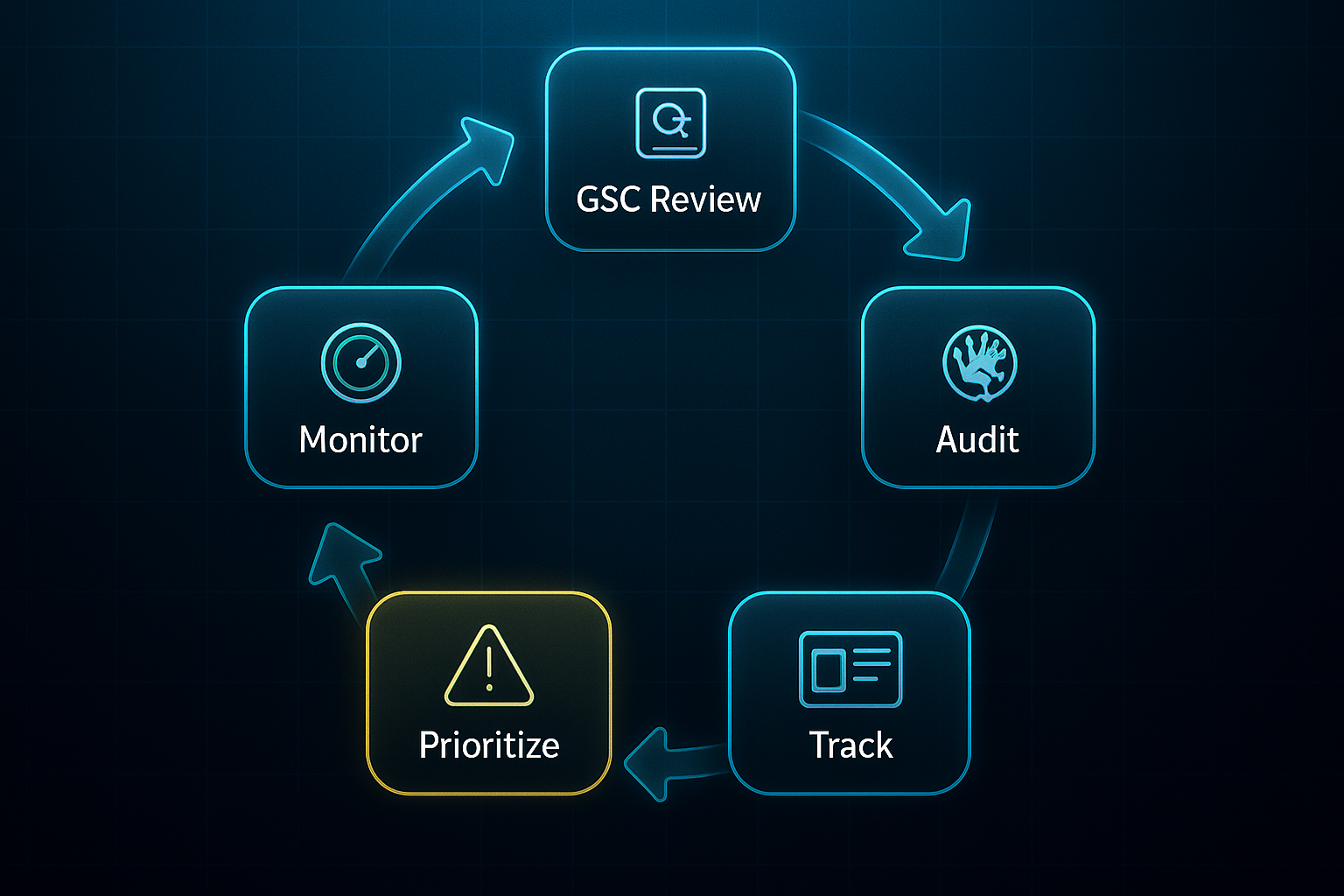
On the technical front, consultants review Google Search Console (GSC) daily for each site locale—such as /fr/ or /de/.
They watch for crawl errors, hreflang tag mistakes, duplicate content, or canonical misfires that could drag down rankings.
Regional audits in Screaming Frog expose issues like faulty robots.txt files or misconfigured canonicals.
All these issues get tracked immediately in Trello or Jira, prioritised by market urgency and technical risk—so nothing gets buried.
Global Project and Communication Management
Juggling teams is a daily reality.
Consultants use Slack and Monday.com to coordinate with developers, translators, and local managers across time zones.
Weekly status meetings and live dashboard checks help spot issues, and agile escalation paths mean a sudden ranking drop can prompt a market-wide problem-solving call in minutes.
Ongoing Optimisation and Problem-Solving
Optimisation is never-ending. In Looker Studio or custom analytics dashboards, consultants dissect traffic and ranking splits by region each day.
If a region dips, they probe GSC logs, check new content releases and translation updates, then run focused technical audits to pinpoint the problem.
Monthly, more formal reviews—like A/B tests and audit playbook updates—keep strategies fresh as search algorithms and market realities shift.
Navigating Unique Challenges in International SEO
There’s more to this than search engines alone. Regulations like GDPR create complex compliance hurdles, while cross-market cannibalisation can make content for the UK, US, and Australia compete against itself.
In some markets, consultants address Baidu or Yandex instead of Google, requiring region-specific hreflang tags and privacy-compliant tech.
Local rules around meta elements and data handling often force technical adaptation.
Daily and Weekly Consultant Checklist
Consultants keep international sites healthy with a daily and weekly checklist:
- GSC and Analytics Review
Monitor each market’s performance, indexation, and flags daily to spot anomalies. - Technical SEO Audit
Weekly Screaming Frog crawls for technical issues in specific regions. - Team Communication
Regular syncs and agile sprints to keep localised projects moving smoothly. - Translation QA
Check content quality and localisation accuracy each week to prevent lost meaning. - Algorithm/Competitor Monitoring
Watch search engine changes and competitor shifts monthly to adapt quickly.
Together, these routine tasks ensure reliable visibility, fast troubleshooting, and smooth cross-border campaigns. Next, we’ll look at the specialist skills and technical depth it really takes to excel in this field.

AI-Powered
SEO Content Strategy
See the AI platform that's replacing entire content teams
(with better results).

Essential Skills and Expertise for International SEO Consultants
Building Bulletproof Multilingual SEO and Localisation
When it comes to international SEO, consultants need to bring together a mix of technical SEO, multilingual strategy, and sharp localisation skills. A huge part of this job is getting hreflang codes right—these little bits of HTML tell search engines which language and region to serve, and if you mess them up, language and country errors are almost guaranteed.
To spot these errors, consultants use Screaming Frog’s hreflang audit tools and check Google Search Console’s International Targeting report for broken or missing tags. There’s no room for shortcuts: every localised page needs a self-referencing hreflang and a return tag pointing back.
Getting translation right is an art and a science. Most start with automated tools like DeepL API for first drafts, but a native linguist always does the final review. Side-by-side checks reveal that around 10–20% of machine-translated pages hide context errors that could quietly increase bounce rates and hurt your rankings.
So consultants make sure everything on the page—titles, descriptions, navigation, schema markup, and even image alt text—is translated for that audience. Miss just one FAQ or meta tag, and chances of a featured snippet can drop by 30%.
Architecting and Auditing International Technical SEO
Choosing the right site architecture is its own puzzle. For countries with tough regulations, consultants go with ccTLDs (like .cn or .ru). For others, it’s all about using subfolders (those “/fr/” URLs), which can consolidate authority—just look at how Picodi’s subfolder migration jumped UK visibility by 841% in 2024.
Technical audits with Screaming Frog dig into hreflang coverage, return tags, and sitemaps. Speed matters too: hero images should be under 100KB, and First Contentful Paint ought to stay below 2.5s. Advanced consultants even run Python scripts or tap into SEMrush APIs to automate these checks for faster results.
Regulatory, Cultural, and Project Management Skills
Here’s where things get even trickier. Consultants need to stay sharp on regulations like GDPR and PIPL (China). Any time a market’s rules look uncertain, they flag it for legal review right away.
Beyond regulations, cultural understanding is key. The consultant’s trick is to run pre-launch in-country user testing, bringing in 10+ locals for every region to catch subtle missteps—nothing substitutes real feedback.
On the project side, they depend on agile boards (think Jira or Trello), clear handover docs, 2–4 week sprints, and constant team communication to make sure global SEO launches actually hit the mark.
Of course, all this is just the foundation; mastering these skills is what sets consultants apart as they steer brands through the international SEO maze.
Key Services and Deliverables: How International SEO Consultants Deliver Global Results
Let’s take a look at exactly how international SEO consultants deliver real, tangible results.
A consultant's work always centres around a carefully structured bundle of deliverables—each one created to tackle those tricky, cross-border challenges that make global expansion such a maze.
So what’s in the mix? You’ll see things like market-specific keyword research, comprehensive technical SEO audits powered by AI-driven workflows, detailed content localisation, robust analytics and reporting, and ongoing troubleshooting across markets that never stand still.
Stepwise Global Keyword Research
Every international SEO campaign kicks off with stepwise, localised keyword research. But this isn’t your average “throw some keywords in Google” approach.
Consultants use tools such as SEMrush, Ahrefs, and Google Keyword Planner to dig up high-potential queries for every target region.
Here’s how that process unfolds:
- Market and Language Selection
Pinpoint all target countries and language pairs for the campaign, and configure regional filters in your research stack. - Trilingual Data Triangulation
Pull search data from at least two top-tier global platforms (plus any crucial local tool—think Baidu Index for China), cluster keywords by volume and intention, and map them to business objectives. - Native Language SERP Checks
Carry out test searches (using VPNs and local browsers), get native speakers to review and validate keyword intent, and adjust the list based on real-world queries and what competitors are actually doing.
Everything gets logged in a campaign tracker, which usually captures the target market, primary keyword, SERP feature opportunity, reviewer, and business priority.
Once the keyword landscape is mapped, attention turns to the technical foundations that can make or break international visibility.
Technical SEO Audits and AI-Driven Remediation
Good consultants leave nothing to chance when it comes to technical site health—no matter if it’s subdirectories, subdomains, or a ccTLD (country code top-level domain).
Their process goes like this:
- Comprehensive Audit
Run a full crawl with Screaming Frog (or similar) to spot issues in hreflang, mobile speed, structured data, and internal architecture. - AI-Augmented Analysis
Integrate SEOSwarm to automate scans on every regional and language variant, flagging missing hreflang tags, regional indexing issues, and canonical errors. - Prioritised Remediation
Push the highest-risk fixes to developers and SEO leads, and repeat the audit after updates go live to make sure problems are solved.
Consultants then deliver market-specific issue trackers alongside clear technical action plans.
These technical improvements are tightly linked into the broader project management system, ensuring that fixes get implemented as campaigns move forward.
With technical health ensured, the next step is mastering content for every market—an area where seamless localisation and quality assurance reign supreme.
Content Localisation and QA Workflow
Getting content right in each language is about so much more than translation.
The localisation and quality assurance workflow runs in three coordinated steps:
- Translation Draft
Use automated translation (DeepL, for speed and first-pass quality). - Native Review and Cultural Adaptation
Native linguists review for idioms, regulatory quirks, and cultural nuance—fixing any context mix-ups before launch. - SEO Optimisation and Entity Mapping
Local SEO experts fine-tune on-page copy, metadata, and structured data for region-specific opportunity.
Progress is tracked in a dedicated QA sheet with columns for language/market, translator, reviewer, SEO entity score, and a quick pass/fail indicator.
Once localised content passes review and optimisation, consultants deliver reporting and ongoing market analysis to measure impact and guide next steps.
Unified Analytics and Ongoing Market Optimisation
Consultants don’t just build dashboards—they craft fully segmented GA4 or Looker Studio views so you can measure performance per locale.
Each month, they surface organic sessions, conversion trends, flagged issues, and new optimisation plans.
Automated alerts and regular audit cycles—often powered by AI—mean no technical mishap or regulatory update slips through the cracks.
International Site Architecture: Structuring for Sustainable Global SEO Growth in 2025
Comparing International Site Structures: Definitions, Outcomes, and Prevalence
How you structure your international site—whether as a country-code top-level domain (ccTLD), subdirectory, or subdomain—will shape your SEO authority, audience trust, and long-term costs. ccTLDs (like example.fr) are treated as distinct entities by search engines, delivering maximum local trust but no authority sharing.
Subdirectories (such as example.com/fr/) create full authority sharing between regions and keep analytics clean and unified. Subdomains (fr.example.com) provide technical separation, though typically at the expense of shared authority and easier reporting.
Let’s break down these approaches, so you can see which fits your business goals:
| Structure Type | SEO Authority Sharing | Local Trust | Analytics Approach | Maintenance & Cost* | 2024–2025 Top 3 Google Share |
|---|---|---|---|---|---|
| ccTLD (.fr, .de) | None | Highest | Split | $1,000–$5,000+/year/domain | 56% |
| Subdirectory (/fr/) | Full | High | Unified | $500–$2,500/year | 20–25% |
| Subdomain (fr.) | Partial | Moderate | Split | $750–$3,000/year | 3% |
*Launch costs: $300–$2,000 (subdirectories), $400–$2,000 (subdomains), $500–$2,000 (ccTLDs). Content localisation may add $1,000–$10,000+ per market.
For most global brands looking to expand quickly in 2025, subdirectories usually offer the fastest multi-market SEO growth. ForexSuggest.com proved the power of this setup—using 41 language subdirectories, they achieved a 435% organic traffic lift and a 72% boost in click-through rates within six months.
Still, if you operate in finance, healthcare, or other sectors where trust and compliance dominate, ccTLDs are best—though every market will demand unique investment and a 6–12 month ranking ramp-up. Subdomains? Only choose them if your project has rare technical demands.
How to Choose and Implement the Right Structure
Ready to roll your business out internationally? Here’s a step-by-step guide to choosing and implementing the ideal structure:
- Pinpoint Markets/Languages
List each targeted country or language tied to your business and compliance needs. - Select Structure
Balance market share, legal risk, and budget. Pick subdirectories for scale, ccTLDs for trust, or subdomains only if required. - Configure Hreflang/Canonicals
Leverage Screaming Frog, Semrush, or Google Search Console to check all tags and structure. - Localise for Each Market
Use native linguists and tech QA for market-specific content, menus, metadata, and sitemaps. - Set Up Analytics
Enable GA4 segmentation and audit region dashboards for error-free reports. - Schedule QA Audits
Run monthly site health checks to ensure hreflang, canonicals, and analytics are all correct. Success means zero errors flagged by GSC and unified GA4 reporting.
Common mistakes—like missed hreflang implementation, fragmented analytics, or unchecked QA—are the pitfalls ForexSuggest guarded against during their global surge.
For any launch, always keep legal and IT teams closely involved to handle compliance. And, of course, nothing replaces trusted local guidance when navigating rules and cultural nuances abroad.
Measuring Success: Analytics, KPIs, and Reporting for International SEO
Core KPIs and Practical Segmentation Workflows
When it comes to gauging success in international SEO, it’s all about tracking the right KPIs—and, most importantly, breaking those numbers out by each market.
You’ll find consultants obsessing over impressions, clicks, click-through rate (CTR), average position, and conversions for every territory they target.
Google Search Console (GSC) is at the heart of this process. By applying filters, consultants can zero in on performance data for, say, French-language searches in France or German queries in Germany.
That means no more “global” reports that hide problems in individual regions—you get clarity, market by market.
Every week, they’ll export CSVs by market and keyword group so campaigns can be compared side by side using GSC’s Compare mode.
Want to automate it? Connectors like Looker Studio and AgencyAnalytics feed these segmented stats straight into custom dashboards, ensuring everyone always has the latest picture.
Actionable Reporting Dashboards and Automated Alerts
After segmenting KPIs for clarity, consultants translate these insights into actionable dashboards and real-time alerts. This ensures data leads directly to decision-making.
Consultants don’t just collect data—they turn it into dashboards that make trends and problems stand out.
Using Google Analytics 4 (GA4), they set up custom Exploration reports to track user engagement and conversions by region, device type, and landing page.
They blend GSC, GA4, and data from SEMrush or Ahrefs using Looker Studio or Supermetrics, building dashboards with tabs for global overviews, per-country breakdowns, and competitor heatmaps.
The reporting’s automated—expect monthly PDF summaries, mobile dashboards for local managers, and automatic alerts if a traffic or ranking metric drops by more than 10 percent.
These notifications arrive instantly in Slack or email so no issue is missed.
Competitive Tracking and Response Workflows
No international SEO campaign happens in a vacuum.
Consultants benchmark each country’s organic search performance using SEMrush’s Position Tracking, Ahrefs’ Site Explorer, and rank monitoring platforms like ProRankTracker.
Each key region tracks three to five local competitors, with alerts set for sharp falls in crucial rankings.
As soon as these triggers fire, the response kicks off—action items logged in Jira, reviewed at market-level standups, and prioritised by urgency.
This tight-knit analytics setup is the backbone of international SEO management.
It brings proactive insight, quick decision-making, and a safety net against sudden drops or missed market opportunities.
Next up, we’ll get into the real-world challenges these routines help you tackle.
Common Challenges in International SEO and How Consultants Solve Them
Taking your business global might sound exciting, but it comes with some serious obstacles. There’s compliance risk, delays in localisation, technical SEO problems like page cannibalisation, and analytics that just won’t align from region to region.
The best international SEO consultants overcome these issues using systematic workflows, precise KPIs, and a toolkit filled with AI-supported solutions.
Compliance with Regional Data Laws
When privacy rules like GDPR or ICP licensing change, a site’s consent rate can plummet—like when Germany’s “reject-all” law dropped one client’s rate from 92% to 78%.
Consultants address this challenge by staying vigilant with a structured approach focused on monitoring results and fixing gaps fast.
Their steps look like this:
- Compliance Audit
Scan all domains with OneTrust ($827/month) or CookieInformation ($10/month) for missing consent banners. - Rapid Fixes
Patch banners and fill legal gaps within eight hours of updates. - Daily Monitoring
Track opt-in rates and indexation with Google Search Console; re-audit if opt-ins drop over 3%.
This workflow recently restored a client’s consent rate to 94%. Google indexing was never interrupted.
Preventing Localisation Delays
Delays often happen when teams are spread out worldwide. Missed launches can lead to lost PR value, like a Japanese campaign costing a client $20,000 due to slow reviews.
Automation helps keep reviews timely and handovers smooth, which is vital for global coordination.
- Workflow Automation
Use Phrase (enterprise pricing) or Lokalise ($50/user/month) for 24-hour review SLAs. - Escalation Alerts
Slack notifies assignees if a task stalls longer than six hours.
Automating reviews boosted handoff rates from 62% to 95% and cut missed launches by 30%.
Technical SEO: Cannibalisation & Duplication
Similar pages for multiple regions can compete, harming rankings and costing upwards of £100,000/month in conversions.
To resolve these conflicts, consultants rely on a proven sequence:
- Duplicate Audit
Screaming Frog (£149/year) or ContentKing ($39/month) flag 80%+ similar pages. - Remediation
Merge or redirect, then watch ranking recovery with Google Search Console. - Automated Checks
SEOSwarm streamlines reporting for fast, scalable analysis.
Completion of this workflow restored top-three rankings in just 18 days, with conversions rebounding by 13%.
Fragmented Analytics: KPI Alignment
KPI mismatches between Google Analytics 4, Baidu Tongji, and Yandex.Metrica can reach 15%. This fragmentation makes it difficult for global teams to get a clear view.
Experts close these gaps by blending exports, flagging discrepancies, and automating alerts as part of their workflow:
- Data Aggregation
Blend exports in Looker Studio (free) or BigQuery (pay-as-you-go). - Review Trigger
Flag misalignments above 10% for dashboard updates. - Automated Alerts
Our solution spots regional anomalies and speeds up reporting.
One retailer improved analytics accuracy from 82% to 99% within eight weeks.
These proven workflows keep international SEO healthy, whatever markets you target next.
The Value and ROI of Hiring an International SEO Consultant
Hiring an international SEO consultant nearly always gives you a higher ROI—that’s the extra profit above your spend—especially when growth spans multiple countries.
Why does the consultant’s approach win out against platform-only or DIY automation? It comes down to covering the full range: technical SEO (site structure, compliance, performance), deep localisation, and the agility to adapt as global markets move.
Plenty of teams opt for a hybrid model, merging the hands-on problem-solving of a specialist with automation from tools like SEMRush, Ahrefs, and SEOSwarm.
You get scale, speed, and a double filter—human strategy plus automatic audits—so errors are less likely to slip through.
Benchmarks, Models, and Case Results
You want numbers? Let’s look at Learning with Experts: after hiring a consultant, they saw a 59% leap in organic sessions and an impressive 94% boost in revenue in just five months.
Typically, a platform-only setup nets an ROI around 2–4×; projects led by a specialist often score 5–7×, and hybrid models—consultant plus SEOSwarm—deliver 4–6× with faster launches and lower technical risk.
A crucial consideration for any eCommerce business is whether to partner with a platform-specific agency or a full-service firm, as the decision directly influences strategic direction and overall return on investment.
In practice, there are three main routes to international SEO: consultant-led, platform-only, and hybrid. Which suits your situation?
To help clarify the strengths of each option, see this summary.
- Consultant-led
Handles complex, global or regulated rollouts with custom strategies. - Hybrid
Blends quality-driven international expansion with scalable automation. - Platform-only
Fits simple, single market launches but risks more hidden issues.
To help clarify, here’s how the three approaches stack up in practice:
| Model | Typical ROI | Time-to-Result | Monthly Cost | Best Fit |
|---|---|---|---|---|
| Consultant-Led | 5–7× | 5–12 months | $5,000–$20,000/month | Complex/global, regulated |
| Platform-Only (SEMRush, Ahrefs) | 2–4× | 3–12 months | $500–$3,000/month | Single market, low risk |
| Hybrid (Consultant + SEOSwarm) | 4–6× | 4–10 months | $2,000–$10,000/month | Scalable, quality-first |
Honestly, the gap in risk can make or break your global campaign. Platform-only suits one-off, low-risk projects, but it often stalls and misses critical issues that consultants catch.
When speed, compliance, or scaling matter, hybrid or consultant-led models are your best bet.
It’s tempting to start with pure automation—but most brands see the payoff when a pilot region uses specialist guidance and tech together. Try that first, then you can scale up with genuine evidence in hand.
Blog-in-one-minute
Add a fully SEO-optimised blog to your website with just 2 lines of code.
Learn more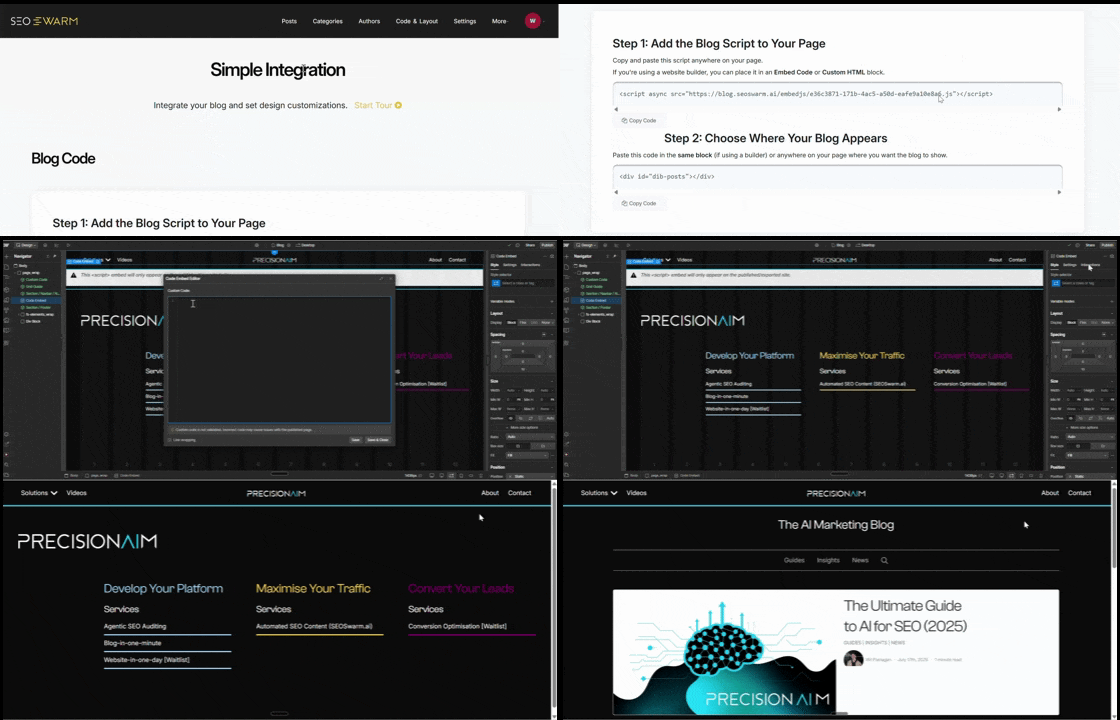
How to Choose the Right International SEO Consultant: Concise Checklist and Smart Selection Steps
Finding the right international SEO consultant in 2025 is about more than a polished CV or slick sales pitch. You want evidence—real proof that someone can handle technical depth, strategic vision, and cultural nuance across multiple markets.
This checklist helps you avoid costly mistakes by showing you exactly what to look for (and what to watch out for).
Key Vetting Criteria
When you’re sizing up a potential consultant, make sure you see the following:
- Proven International SEO Experience
Look for a solid portfolio of multilingual, multi-region campaigns—and demand case studies that actually show results. - Technical SEO Skills
Deep understanding of hreflang, schema markup, site structure, and advanced analytics for global audiences is essential. - Advanced Localisation
It’s not just about translation—does this person get the legal and cultural quirks for your regions? - Regional Keyword Proficiency
You need evidence of region-specific keyword research and a proper competitive analysis. - Transparent Reporting
Make sure their reports break down KPIs by region, and that they can explain optimisation steps in clear terms.
Red Flags to Watch
Now, what should have you raising an eyebrow? Here are the warning signs:
- No International Cases/References
If they can’t prove global results, keep looking. - Overlooks Localisation
Someone who relies on simple translation, skipping cultural or market adaptation, is likely to cause issues. - Gaps in Technical SEO
Any weakness in hreflang, duplicate content, or technical audits specifically for international sites is a dealbreaker.
Streamlined Hiring Steps
To make your search less overwhelming, just follow this step-by-step approach:
- Define Goals
Be clear on your target regions, languages, and KPIs before reaching out. - Request Case Portfolio
Ask for proof—project results and regional references should be easy for a great consultant to supply. - Interview for Skills
Don’t just chat; actually dig into their expertise across technical SEO, localisation, and analytics. - Assign Small Task
Ask them to audit a piece of your global SEO strategy—it’s the best way to test their hands-on skills. - Agree KPIs & Reporting
Lock in clear targets, communication habits, and what success will look like before you start.
Tick these boxes, and you’ll find a consultant who can actually move the needle in your global markets.
Why an International SEO Consultant Matters
The truth is, international SEO isn’t just about translating content or tweaking a few settings—it’s about building a system that adapts to every market’s quirks and rules. I’ve seen brands stumble when they treat global SEO like a copy-paste job, only to watch their rankings stall or compliance issues multiply.
If you’re serious about global growth, here’s what I recommend: Start by mapping your target markets, then audit your site structure and localisation workflows. Vet consultants for real-world results—ask for case studies, technical depth, and proof of cultural understanding. Don’t settle for generic promises; assign a small test project before you commit.
International SEO is a moving target. The brands that win are those that treat it as an ongoing discipline—constantly refining, measuring, and adapting. The difference between global obscurity and visibility often comes down to the expertise you choose and the systems you build.
- Wil